

Більшість електричних ремонтів не потребує докторського ступеня. Їм потрібні лише звичайні ручні інструменти. Але є нюанс. Для забезпечення безпеки та точності можуть знадобитися специфічні електричні інструменти. Електрика – це не магія. Це потік. Йому потрібна безперервна дорога, ланцюг, для руху. Уявіть собі двосмугову дорогу. Рух іде від точки А до точки Б і назад. Заблокуйте одну смугу. Або обидві. Рух зупиняється.
Потік автомобілів вимірюється лічильником, встановленим через шосе. Електричний струм вимірюється шляхом розміщення електричного тестера у двох точках ланцюга. Вам потрібно знати, чи вільний шлях. Вам потрібні точні цифри.
Ціль проста. Забезпечити вільний прохід ланцюга. Отримати точні свідчення. Більшість проблем вирішуються самі по собі, як тільки ви це зробите. Ці спеціалізовані інструменти забезпечують безперебійну роботу компонентів. Вони не замінять вашу викрутку. Але вони підкажуть, чи потрібна ваша викрутка взагалі.
Основи використання тестера напруги
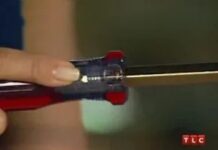
Іноді вам просто потрібна відповідь «так» чи «ні». Чи протікає електрика взагалі? Тестер напруги відповідає це питання. Він показує, чи контакт під напругою. Ви торкаєтесь щупом. Лампочка спалахує. Або ні. Просто.
Це перший крок у будь-якому домашньому ремонті. Ніколи не припускайте, що провід знеструмлений. Завжди перевіряйте. Дешевий тестер напруги у вигляді ручки коштує кілька доларів. Він урятує вам життя. І ваші нерви.
Пояснення тестера цілісності ланцюга
Тепер вам потрібно знати, чи струм проходить через конкретний компонент. Можливо, через вимикач світла? Через запобіжник? Тестер цілісності ланцюга дасть вам відповідь. Він видає звуковий сигнал. Або спалахує індикатор. Це означає, що шлях відкритий та чистий. Без розривів.
Цей інструмент перевіряє цілісність самого дроту. Якщо ланцюг розімкнений, тестер мовчить. Ви виявили проблему. Або рішення. Залежно від того, як це подивитися.
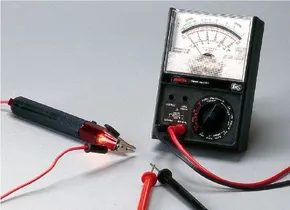
Використання мультиметра (VOM)
Також називається універсальним тестером. Це серйозний інструмент. Він виконує три функції. Він перевіряє, чи є ланцюг під напругою. Він вимірює напругу. Він вимірює опір. Він вимірює струм у міліамперах.
Навіщо потрібні всі три виміри? Тому що ланцюг може бути під напругою, але слабким. Або під напругою, але із високим опором. Мультиметр показує стан системи. Він дорожчий за базовий тестер. Але він вартий того для серйозних домашніх майстрів. Ви перестаєте гадати. Ви починаєте знати.
Усунення засорів за допомогою стисненого повітря
Пил. Бруд. Вільні частки. Усі вони сприяють блокуванню електричного контакту. Згадайте знову про двосмугову дорогу. Накидайте достатньо бруду. Рух зупиняється.
Струмінь стисненого повітря миттєво очищає шлях. Це швидко. Це чисто. Це коштує копійки. Використовуйте його на розетках. Використовуйте на вимикачах. Використовуйте на будь-якому компоненті, який здається гарячим або поводиться дивно. Бруд — тихий убивця електроніки.
Очищувач електричних контактів
Іноді повітря недостатньо. Жир. Олія. Старі провідні залишки. Вам потрібен розчин, що чистить. Очищувач електричних контактів розчиняє бруд. Він швидко випаровується. Чи не залишає слідів.
Нанесіть його на тканину. Протріть контактні точки. Або розпорошіть безпосередньо, якщо в інструкції так зазначено. Завжди перевіряйте інструкцію. Деякі види пластику плавляться. Більшість сучасних очисників є безпечними. Але навіщо ризикувати? Використовуйте тканину. Протріть. Дайте висохнути. Перевірте знову.
Чому ці інструменти важливі для домашнього ремонту
Ви можете подумати, що можна просто оцінити ситуацію на око. Не робіть цього. Електрика невидима, доки не вдарить струмом. Ці інструменти усувають необхідність у здогадах. Вони перетворюють лякаючу проблему на математичне завдання. А з математикою ви впораєтеся.
Тримайте набір інструментів заповненим. Тестер напруги. Тестер цілісності ланцюга. Мультиметр, якщо ви ставитеся до справи серйозно. Стиснене повітря. Очищувач контактів. Це дешева страховка.
Інструменти для домашнього ремонту бувають різних форм. Але ці п’ять справляються з невидимими речами. З тим, що робить будинок безпечним для життя.
Ручні інструменти у стандартному наборі допомагають. А