

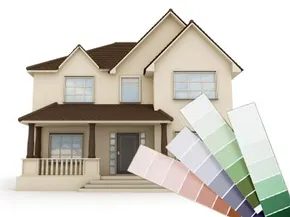
Ваше облицювання виглядає втомленим. Фарба вицвітає. Настав час втрутитися, поки район не став більше схожий на місто-привид, ніж на місце для життя. Свіжий шар зовнішньої фарби забезпечує найкращу окупність інвестицій для майстра-саморобкіна, який знає, який валик взяти. Але ж вибір кольору? Ось тут люди завмирають. Вони дивляться на віяло зразків, поки вони не починають косити очі.
Більшість домовласників вважають за краще грати в безпечну гру. Вони схиляються до світлих тонів. Білий домінує у сучасному ландшафті. Він чистий. Він вирізняється. Він пропонує чисте полотно для яскравих бордюрів або сміливих віконниць. Якщо ви хочете поєднання, перевірене часом, дотримуйтесь білого та синього. Це улюблений вибір багатьох з поважних причин. Синій колір є універсальним. Білий популярний. Разом вони працюють чудово.
Підбір правильного відтінку синього для вашого клімату
Існують сотні відтінків синього. Вибір однієї з них залежить від двох факторів. По-перше, ваші особисті уподобання. Який настрій ви бажаєте створити? По-друге, ваш клімат. Це важливіше, ніж ви вважаєте.
На півдні найкраще виглядають яскраві, насичені сині кольори. Вони контрастують із відкритими, світлими ландшафтами. Сонце сильно б’є на них. Колір виділяється. На півночі вибирайте глибші відтінки. Сіро-сині тони вписуються в ландшафти, засаджені хвойними деревами. Вони відповідають сірому небу сезонної погоди. Вони не конфліктують із довкіллям. Вони зливаються з нею.
Інші популярні кольори зовнішньої обробки включають кремовий, бежевий, жовтий та світлі відтінки сірого, синього та зеленого. Якщо ви віддаєте перевагу темним тонам, досить популярний коричневий. Він «заземлює» будинок. Він виглядає солідно.
Балансування з сусідами та естетикою району
Ви можете виділитись. Ви можете мати свій стиль. Але не вступайте в конфлікт із навколишніми будинками. Це не тільки знизить вартість нерухомості у вашому районі, а й може призвести до невдоволення сусідів. Асоціації домовласників (HOA) можуть накласти на вас штраф. Ваш сусід може поскаржитися вам просто в обличчя.
Світлі обрамлення добре відбивають ефект сонця, що нагріває і освітлює. Вони тримають будинок у прохолоді. Вони знижують рахунки за електроенергію. Крім того, якщо у вас великий будинок на невеликій ділянці, як це часто буває в тісних приміських котеджних селищах, будинки світлих тонів можуть зробити цю різницю в розмірах ще помітнішою. Вони роблять будинок легшим. Повітряним. Темні тони можуть допомогти збалансувати будинок та ділянку. Вони роблять великий коробоподібний будинок меншим. Більш інтегрованим до оточення.
Таким чином, ви хочете злитися зі стилем району або виділитися на тлі моря будинків, тепер ви знаєте, які кольори є загальноприйнятими і які фактори слід враховувати при прийнятті рішення. Тепер беріть валик та починайте фарбувати.
Історичні будинки та палітри збереження
Якщо ваш історичний будинок потребує фарбування, обов’язково виберіть колір з палітри реставраторів. Національний фонд збереження історичних місць (National Trust) та компанія Valspar collaborated для створення лінійки із 250 кольорів фарби, сертифікованих Національним фондом для використання на історичних будинках. Дотримуйтесь цих кольорів. Вони протестовані. Вони точні. Не гадайте з фасадом, якому 100 років.
Часті питання про квіти будинків
Який найпопулярніший колір для зовнішньої обробки будинку?
Синьо-сірий – найпопулярніший колір для зовнішнього оздоблення будинку. Цей тренд став популярним у останньому десятилітті. Сьогодні дизайнери змішують свої відтінки, щоби створити привітний колір. Цей відтінок доповнює дерев’яне оздоблення та кам’яну кладку.
Як вибрати кольори для зовнішнього оздоблення будинку?
Зазвичай гарною практикою є використання трьох кольорів для зовнішнього оздоблення будинку. Більшість домовласників думають, що ці відтінки мають бути різними, але це не завжди так. Дотримуйтесь базового кольору, кольору для обрамлення та акцентного кольору.
Які кольори зовнішньої обробки зараз у тренді?
У тренді наступні кольори: світло-синій, яскраво-червоний, чорно-білий, білий, чорний та землісті тони.
Який колір найкраще поєднується з деревом?
Нейтральні кольори добре поєднуються з натуральними дерев’яними деталями, незалежно від того, чи є у вас оздоблення під морилку чи шафи. Бежевий, білий та зелений також є гарним вибором. Кращі кольори – тепліші, такі як червоний і помаранчевий у глибших відтінках.