



Winter seems to be the time to put the garden to sleep. The ground is cold. The days are short. But January is not a pause button. This is the setup phase.
If you want to get ahead of spring vegetables, there are classic crops that grow well even in the cold. Leek. Planting leeks in January in particular is a strategic move for the serious gardener. It’s not just a measure against the cold. This will set you up for big wins later.
This is not a delicate flower. This is a tough workhorse. And it loves the cold.
Why January Works for Leeks
Most people think of leeks to be a winter staple. You are right. But the secret to setting yourself up for success “early on” starts now.
Leeks are incredibly rustic. They originate from Europe, meaning they are built for temperate climates. Don’t panic if the thermometer approaches zero. In fact, mild frost can enhance the flavor by concentrating the sugar.
Planting now avoids competition from weeds in the spring. You get root establishment before the peak. When the soil thaws, the plants wake up and get a few weeks head start on the spring sown seeds.
Plus, leeks are soil builders. Their tap roots dig deep into compacted soil. They loosen the ground for whatever comes next. That’s a legacy benefit.
Choose the appropriate variety
Not all leeks are created equal. If you plant sensitive summer varieties in January, you will lose them in the first hard frost. You need cold-hardy genetics.
Look for leeks in January varieties marked cold hardy or fall sown.
- Monstrueux de Carentan : the giant. Perfect for mild winters. This is best if the soil is soft and no deep freeze is expected.
- Bleu de Solaise : Tank. It is known for its excellent cold resistance. Choose this if you live in an area prone to frost. It remains vibrant when others are dormant.
Avoid “spring” varieties. They don’t have the time or energy to take root before the worst of winter hits. Stick to strong choices.
Prepare the soil
Leeks are forgiving but do not like competition. They do not like shallow roots.
Start by cleaning the plot. Remove all weeds. Even very small plants can steal nutrients from seedlings.
Then dig. The soil must be loosened to a depth of at least 20 cm. Leek roots are long and straight. If the soil is hard, they’ll fork or stunt. Loose, crumbly earth lets them plunge down without resistance.
Use compost or well-rotted manure at this stage. It provides a slow-release nutrient base. Now don’t over-fertilize with nitrogen. it can encourage soft, weak growth that’s prone to rot.
Planting instructions for January
There are two paths: seeds and seedlings.
In January, seedlings are the smarter play. Sowing direct into cold, wet January soil is risky. into cold, damp ground in January. Germination is delayed. Rot sets in. You can get a head start by Buying sturdy transplants from a nursery. They are already established.
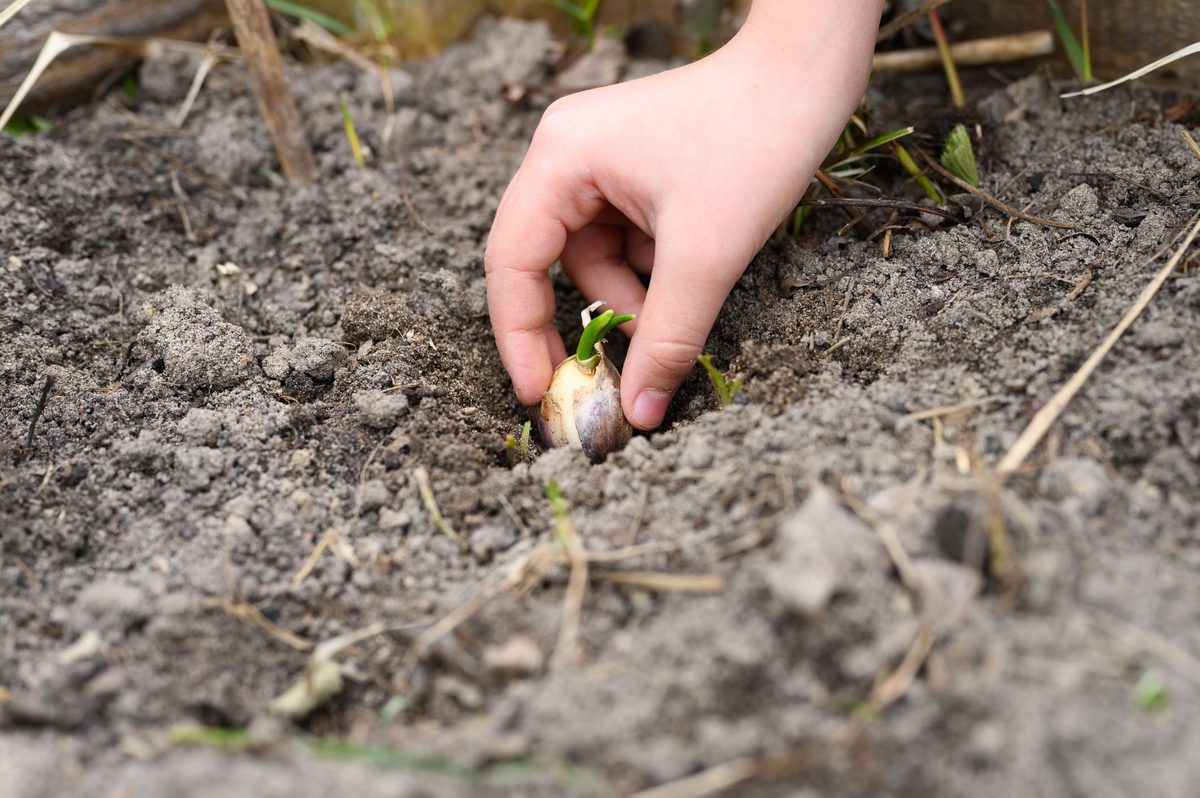
- Make wells : Do not dig separate holes. dig a trench. Place it about 30 cm apart. This promotes air circulation and makes weeding easier.
- Planting Depth : This is the trick. Don’t plant them shallow. Place the seedlings in the trench at a depth of 10 to 15 centimeters. Bury the white stem part, leaving only the green top visible.
- Water immediately : After planting, water thoroughly. Even in winter. This settles the soil around the roots and removes air pockets. Ensures good contact between soil and roots.
- Protection : If a deep freeze is expected, cover the rows with winter fleece (winter). This traps a bit of heat and prevents windburn. Remove it on milder days to prevent overheating.
Cold season maintenance
January planting doesn’t mean zero maintenance. This means less effort and more effective care.
Weed regularly. Bine between the rows and keep the surface loose. Prevents weed growth and improves water penetration.
Add mulch. Placing straw or shredded leaves around the base will help retain moisture and protect the roots from freezing.
Make sure the leaves don’t turn yellow. This usually means nutritional deficiencies. In that case, feed a liquid organic fertilizer such as nettle tea (nettle tea). It’s gentle and boosts growth without burning.
Pests are less active in the cold, but that doesn’t mean they don’t exist. Keep an eye out for the leek moth. If you notice damage, use insect netting. Next year’s crop rotation also helps break the cycle of pests.
Back
Why are we going through such problems in the middle of winter?
Because green onions are culinary chameleons. It can be used in soups, roasts, quiches and stews. It is a very nutritious food that contains a lot of dietary fiber and vitamins.
From a horticultural point of view, they are ecological allies. Their deep roots form the soil. Planting them with carrots naturally prevents pests.
Plant now and it’s more than just gardening. you have a plan. The crop you get will likely survive the winter and grow quickly in early spring.
The ground can freeze. But your work is just beginning.