



Summer evenings should be about relaxation, not swatting. You step onto the patio, and suddenly, the tiny buzzers arrive. It is frustrating. It ruins the vibe. But before you reach for the harsh chemical sprays that smell like a gas station, consider a plant that actually looks good doing the job.
The solution is right in your garden center. It is called Pelargonium citriodorum. Most people just call it a citronella geranium. It is not a true geranium, by the way. It is a pelargonium. The leaves are deeply lobed and smell intensely of lemon when you brush against them. That scent is what keeps the insects away.
Why This Plant Works
Mosquitoes rely on their sense of smell to find prey. Carbon dioxide and body heat draw them in. The strong citrus oils produced by citronella geraniums mask those signals. It creates a sensory fog that confuses them. They cannot pinpoint you.
This is not instant magic. You cannot plant one leaf and expect a force field. The plant needs to be crowded. You need volume. The more leaves, the stronger the scent. If you have a small balcony, you might need multiple pots. Do not skimp on quantity.
Choosing the Right Variety
Not all “citronella” plants are created equal. You will see two main types at the store.
- Pelargonium citriodorum : This is the true variety. The leaves are finely cut. The scent is sharp and pure. It grows slower. It is delicate.
- Pelargonium graveolens : Also known as rose geranium. It smells like roses and citrus mixed. It is hardier. It grows faster.
For pure mosquito deterrence, the finely cut P. citriodorum is superior. The concentration of citronellal is higher. But if you struggle keeping plants alive, the graveolens is a safer bet. It tolerates heat better.
How to Grow Them for Maximum Effect
Location matters. These plants love sun. They need at least six hours of direct light. If you place them in the shade, they will stretch out. The stems will get leggy. The leaves will pale. The scent will vanish. You want tight, bushy growth.
Watering is tricky. Do not overwater. Let the soil dry out between sessions. Soggy roots lead to rot. Rot kills the plant. Dead plants do not repel bugs.
When it comes to placement, think strategically. Place the pots where you sit. Near the dining table. By the entryway. The goal is to create a barrier. You are trying to stop them before they reach you.
Maintenance and Scent Strength
The scent fades. Over time, the oils evaporate or degrade. To keep the plant potent, you need to encourage new growth. Prune it back in early spring. Cut the stems by half. It looks harsh. It will look dead. Do not worry. It will bounce back.
You can also boost the scent during your evening events. Gently brush your hands against the leaves. Just a light touch releases the oils. Your skin then carries the scent. It acts as a personal repellent. It
How to Use Lemon-Scented Geranium for Natural Mosquito Control
Most people assume you have to crush the leaves to get the bug-repelling effect. You don’t.
The lemon-scented geranium (Pelargonium citriodorum) works passively. Its volatile compounds, citronellol and geraniol, diffuse into the air just by being there. No rubbing required. This makes it a much cleaner solution than the manual method many of us grew up with.
Strategic Placement for Maximum Protection
Where you put the plant matters more than you might think. It isn’t enough to just own one. You need to position it as a barrier.
Place pots on terraces, balconies, or near outdoor seating areas. If you keep them indoors, set them close to windows and doors. The goal is to create a zone of protection where mosquitoes are less likely to land or linger. The stronger the airflow, the more effective the scent dispersion becomes.
Cultivation Basics for a Thriving Plant
This South African native is hardy but specific about its needs. Get the basics right and it will bloom reliably.
Sunlight is non-negotiable.
Give it full sun. It needs light to produce those fragrant oils. Shaded spots lead to weak growth and faint scent.
Water with restraint.
Let the top layer of soil dry out completely between waterings. Soggy roots rot quickly and the plant stops producing the essential oils that deter pests.
Feed and Trim.
Remove faded flowers to encourage new blooms. This happens from May through September. A liquid organic fertilizer mid-season gives the bushy plant a boost. It can reach 60 cm to 1 meter tall in a single season. The mauve-pink flowers are a nice bonus, but the scent is the real asset.
Winter Prep
If you live in a climate with frost, you can’t leave it outside. Bring it indoors before the first freeze. It needs a bright, cool spot. A sunroom or greenhouse works well. Keep it dry and wait for spring.
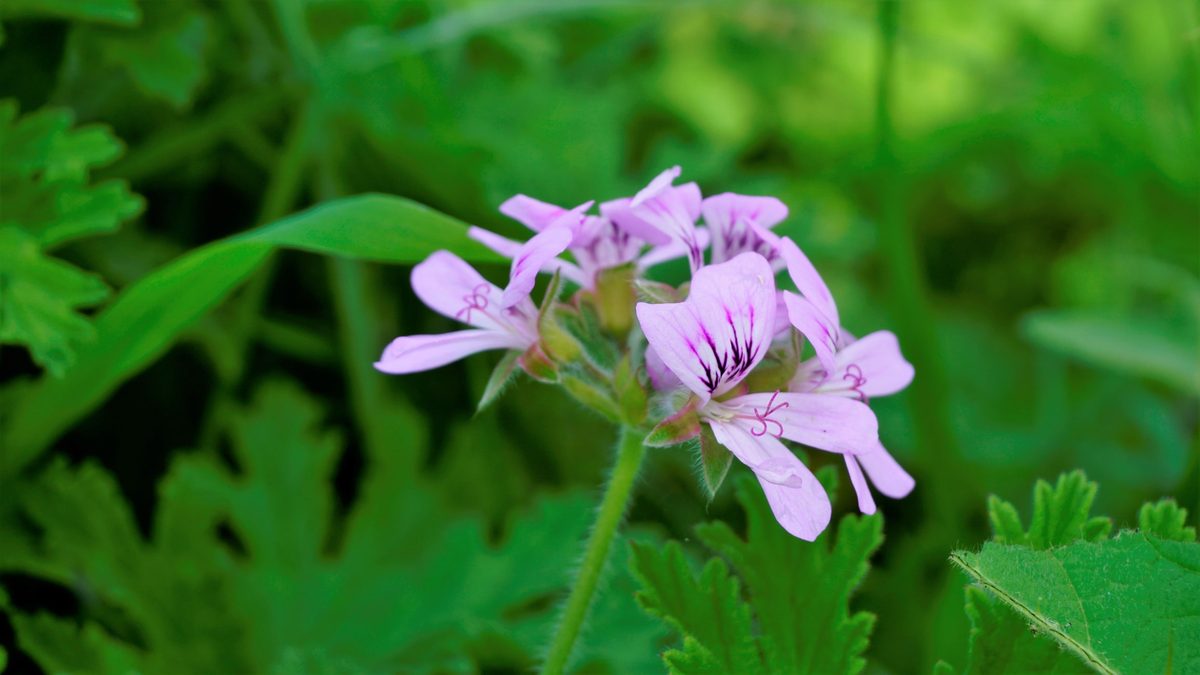
The non-toxic alternative to chemical repellents
Chemical sprays are out. If you are tired of breathing in aerosols just to sit on your patio, try Pelargonium citriodorum. This plant is the real deal. It is an ecological alternative that actually works.
Most people think all geraniums repel mosquitoes. They do not. Only this specific variety—the lemon-scented one—is truly effective. The others are just pretty flowers. Pelargonium citriodorum releases a strong citronella-like scent. That smell confuses the bugs. It acts as a natural barrier.
There is zero health risk here. No toxins. No harm to local wildlife. Just green leaves and a strong citrus aroma. It is safe for kids and pets.
Low maintenance and high impact
You do not need a green thumb. This plant thrives on neglect. It handles heat well. It blooms generously if you give it sun.
Start small. A windowsill is enough. Expand later. A large garden works too. The plant adapts. It brings freshness to any space. It also keeps the pests away.
Here is why homeowners switch to this method:
- No mixing chemicals
- No spraying before every event
- No residue on furniture
- Continuous protection while the plant grows
The scent is strongest when you brush against the leaves. Rub a leaf gently. The oil releases. The mosquitoes lose interest. It is simple physics.
How to grow it for maximum defense
Place it in full sunlight. At least six hours a day. Water when the soil feels dry. Too much water causes root rot. Keep it dry.
You can bring potted plants indoors at night. This traps them near your seating area. The scent concentration is higher. The protection is better.
Many DIYers install these in hanging baskets. Or along fence lines. Create a perimeter. The birds and bees love the flowers. The mosquitoes hate the smell. It is a win-win.
Why choose this over other methods
Other natural options require constant reapplication. Essential oils fade quickly. You need to spray every hour. Pelargonium citriodorum works while it lives. It grows stronger with time.
It is decorative too. The leaves are textured. The flowers come in pink and white. It looks good. It works hard.
Adopt it now. Enjoy summer evenings. No bites. No chemicals. Just peace.
The question remains whether you will keep it in the pot or let it spread. Either way, the mosquitoes lose.