

Постійне вдосконалення, наріжний камінь економних методологій, вимагає не просто системи чи процесу, а організаційних і культурних змін. Розуміння як відбуваються зміни є критично важливим, і модель змін Курта Левіна пропонує просту, але потужну структуру. Ця модель пояснює, чому багато ініціатив із покращення зазнають невдачі: адже зміни стосуються не лише того, що ви змінюєте, а й того, як* ви керуєте переходом.
Три етапи змін
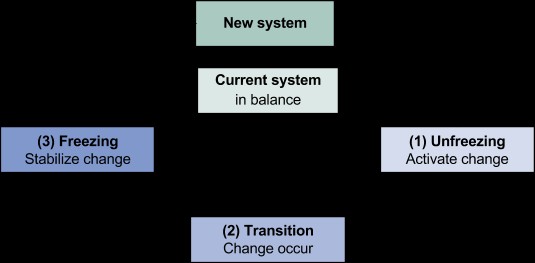
Модель Левіна розбиває успішні зміни на три чіткі етапи: Розморозити, Перехід і Заморозити. Кожен етап має свої специфічні виклики та вимоги.
Розморожування – найскладніший етап. Це передбачає усвідомлення необхідності змін і подолання опору. Люди повинні погодитися з тим, що поточна система є неадекватною і що зміни необхідні. Лідери повинні чітко сформулювати чому зміни важливі, створити спільне бачення та підтримувати мотивацію. Без підтримки процес зупиняється. Цей етап вимагає ретельної підготовки та відкритого спілкування.
Перехідний період — це етап, на якому фактично відбуваються зміни. Цей етап вимагає активного управління, керівництва та підтримки. Це період невизначеності та потенційних зривів. Ефективні лідери мінімізують тертя та гарантують, що кожен розуміє свою роль у новій системі.
Заморожування посилює зміни, роблячи їх новою нормою. Нову систему стабілізовано та запроваджено механізми захисту від повернення до старого. Однак цей етап також створює новий опір подальшим змінам. Цикл, як показано на малюнку 1, повторюється, коли організації адаптуються до нових викликів.
Постійне вдосконалення проти одноразових змін
Модель Левіна підкреслює важливу відмінність: безперервне вдосконалення — це не одна зміна, а ітеративний процес. Одноразова зміна може бути покращенням, але це не гарантує стабільного прогресу. Без постійних зусиль системи неминуче повернуться до свого попереднього стану.
Постійне вдосконалення вимагає невпинного застосування трьох кроків Левіна знову і знову. Кожен цикл спирається на попередній, створюючи культуру адаптації та зростання. Без цього зобов’язання цикл на малюнку 1 залишається неповним і зупиняється, коли нова система стабілізується.
Людський фактор
Модель Левіна підкреслює, що зміни починаються і залежать від людей у системі. Без їхньої волі та підтримки неможливі довгострокові зміни. Організації повинні інвестувати в комунікацію, навчання та розвиток лідерства, щоб гарантувати, що кожен розуміє свою роль у цьому процесі.
Ефективне впровадження змін
Перехід до ощадливішої культури співпраці вимагає постійних зусиль усієї організації. Необхідна ретельна підготовка, і лідери повинні передбачати опір і керувати очікуваннями. Зміни мають впроваджуватися поетапно, не перевантажуючи людей, щоб досягти стійкого успіху.
Зміни – це не лише впровадження нових інструментів чи процесів; це фундаментальна зміна в мисленні та поведінці. Без цього людського елементу навіть найкраще продумані зміни зрештою зазнають невдачі.
На завершення, модель змін Левіна пропонує цінну основу для розуміння та управління постійним вдосконаленням. Визнаючи три етапи змін і віддаючи пріоритет людському фактору, організації можуть створити культуру адаптації та зростання, яка є рушієм сталого успіху.
Посилання:
Левін, Курт (1951). Теорія поля в суспільствознавстві: Вибрані теоретичні праці. Публікація Дослідницького центру групової динаміки ун-ту ім. штат Мічиган. Харпер, Нью-Йорк.