




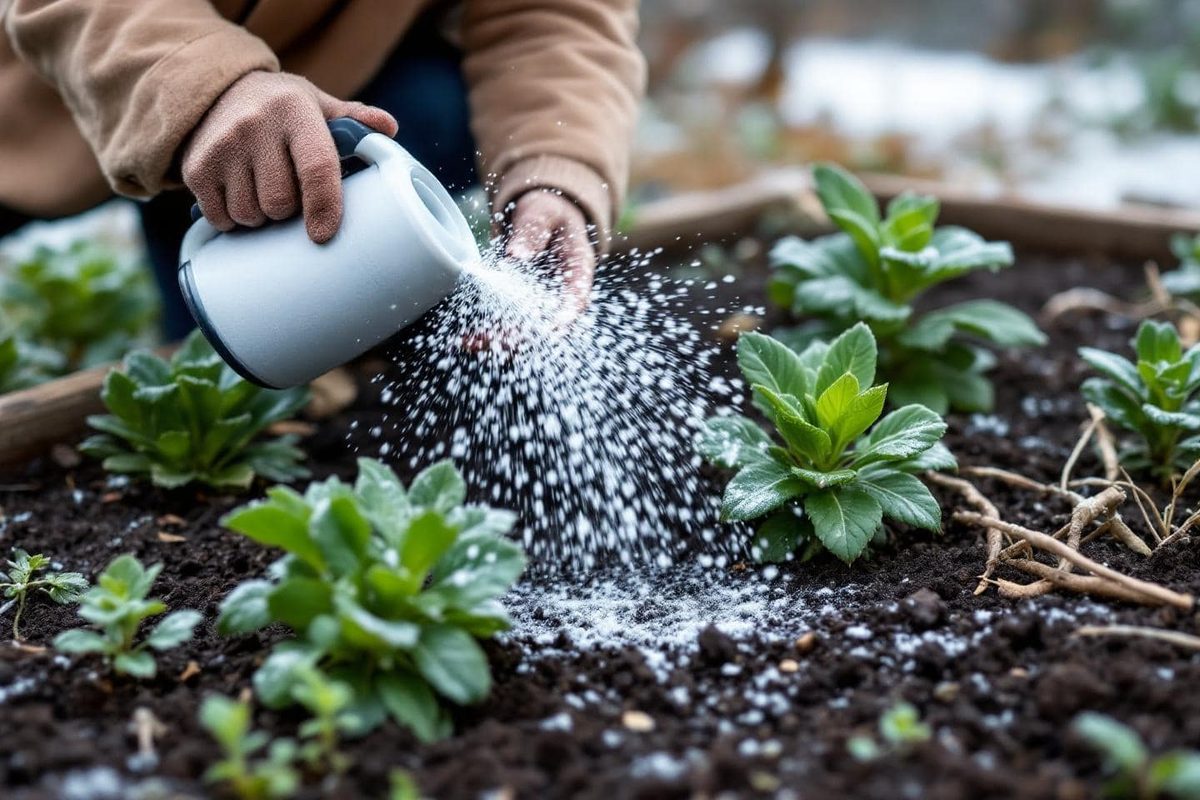
Stop throwing away pasta water. It is liquid gold for your soil.
We often dismiss old gardening tricks as nonsense. Folklore. Superstition. Who would believe that the cloudy water from boiling spaghetti holds a secret? In an era of expensive, flashy fertilizers, it seems absurd. But as December sets in and the garden sleeps, this simple habit matters. It can boost your soil’s vitality when it needs it most.
Why Starch Benefits Microbes
Skeptics are quick to laugh. They see rice water or potato boiling liquid and think of waste, not science. But these methods survived because they worked. Our ancestors didn’t have chemical synthetics. They had observation. They knew that nothing should go to waste.
This isn’t just nostalgia. It’s ecology.
Using starchy cooking water aligns with a circular economy. It respects natural cycles. Young gardeners are rediscovering this. They see value in what others discard.
The magic lies in starch. Specifically, amylose and amylopectin. These complex carbs release into the water during cooking. They don’t feed the plant leaves directly. They feed the soil life.
How Starch Powers Soil Life
Starch is energy for the original plant. Once in hot water, it becomes partially soluble. When cooled, it transforms.
It becomes food for microorganisms.
Bacteria and fungi thrive on it. They break down these carbs into assimilable elements. This supports plant growth indirectly. It is a winter meal for your underground ecosystem.
Think of it as a rich stew for the soil microbes. They stay active. They keep the soil alive during the cold months.
How to Prepare Pasta Water for Your Garden
Not all cooking water is equal. You must be careful.
The Right Ingredients
Use plain water. No salt. No butter. No oil.
Sodium harms plants. It disrupts soil balance. Oils create a barrier. They suffocate roots.
Stick to:
* Plain pasta water
* Unsalted rice water
* Boiled potato water (without skins if treated)
For sensitive seedlings, you can mix in a tablespoon of rice water. But keep it simple for most uses.
Dosage and Frequency
Let the water cool completely. Never pour hot liquid on dormant roots.
Dilute it. Mix one part cooking water with one part clear water. This prevents shock.
Apply every two to three weeks in winter. Do not oversaturate. Too much water drowns roots. It creates anaerobic conditions.
This routine fits into your winter prep. It keeps the soil alive until spring.
Where to Apply It
Use this on dormant beds. It helps prepare the ground for next year’s crops. It also works on container plants that are overwintering indoors. Just ensure the pots have good drainage.
Avoid using it on acid-loving plants like blueberries if your water has high mineral content from hard tap water. Test your water first.
Why This Matters Now
We live in a throwaway culture. This habit fights back. It reduces waste. It saves money. It reconnects us to the earth.
You are not just watering plants. You are feeding the microbial community. That is where the real work happens.
The garden waits. The soil breathes. And you have the tool to help it survive the cold.
It is a small act. But it ripples outward.
What else are you keeping instead of tossing?
The results aren’t subtle. Your lettuce stops looking like a sad pile of leaves and starts looking like food. Specifically, it turns a deeper, richer green. The texture becomes noticeably crisper. This happens fast. Even in December, when daylight is scarce and temperatures drop, the change is visible within days.
Why? It’s about the microbes. The starchy water doesn’t just feed the plant directly. It feeds the soil biology. That microbial boom provides new resources the vegetables can actually use. The result is vigor.
Boosting Seedlings and Winter Sowing
This method is critical for winter sowing. If you are growing cold-frame lettuce, germinating spinach, or starting parsley seeds, this is your advantage. The starchy water improves germination rates. It also increases stress resistance in those fragile young plants.
Think of it as a natural cushion. The starch helps develop fine root hairs (radicles). This leads to harmonious growth. You are prepping the root system for the spring surge. When the frost finally breaks, those plants are already ahead of the curve.
Natural Defense Against Pests and Fungi
Beyond growth, there is protection. The same microbial stimulation that helps leaves grow also fights disease. Pathogenic fungi like powdery mildew or damping-off (seedling rot) rely on a lack of competition.
Starchy water floods the soil with beneficial bacteria. These good bugs crowd out the bad ones. The soil becomes less hospitable to invaders. It acts as a biological shield. You are creating a diverse microbial ecosystem that suppresses pathogens naturally. No chemicals involved. Just biology doing its job.
Healthier Harvests Through Resilience
The protective effect is tangible. Plants exposed to this treatment show fewer leaf spots. They withstand winter environmental stress better. Even cold-sensitive varieties look healthier overall.
This matters most in winter. Gardens are vulnerable then. The lack of sun and heat weakens natural defenses. By bolstering the soil life, you give the plants an extra layer of armor. The harvest is not just bigger. It is cleaner and more robust.
Risks and Common Mistakes to Avoid
It is not foolproof if you are careless. There are traps. Using water that is too concentrated can burn roots. Using salted water will kill the plant. Do not salt your cooking water if you plan to save it for the garden.
Container plants are especially sensitive. They have less volume to buffer the effects. Dilute more for pots. A safe ratio is one part starchy water to four parts clear water. Also, do not use this on plants that are already dying. If a plant is sick from other causes, starchy water is not a cure. It is a booster, not a medicine.
Customizing for Heavy Feeders
You can tweak the recipe for specific crops. Add a pinch of eggshell powder or coffee grounds to the starchy water. Filter it first so it doesn’t clog your watering can.
This mix is great for heavy feeders. Chilies, tomatoes, and brassicas like chilies and cabbages benefit greatly in spring. You can also vary the starch source. Lentil water. Chickpea water. Using different cooking liquids diversifies the nutrient profile over the seasons. Just watch how your plants react to each type.
The process is simple. The results are undeniable. This isn’t magic. It is observation. It is using what we already have in the kitchen to support the soil. The next time you boil potatoes or rice, don’t throw that water away. It might just be the most efficient fertilizer you have. The question isn’t whether it works. It’s how long you’ve been ignoring it.