



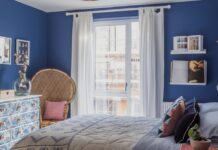

Interior decorating feels intimidating if you don’t know your chintz from your crewel. That’s fine. You don’t need a degree to make your space look good. You just need a plan. These tips are cheap, simple, and designed to stop the jitters before they start.
Define the Room’s Purpose First
Start by asking who uses the space. Then ask how they use it. This determines everything, including your flooring. Is this a high-traffic zone? Will people spill wine on the rug? Do kids or pets live here?
If the answer is yes to any of those, choose durable materials. Hardwood or vinyl beats delicate carpet. Think about the activities. A dining room needs durable chairs. A home office needs good lighting. Don’t ignore function for form. A pretty room that is uncomfortable is useless.
Go with what you like and what makes you comfortable. Your home should feel like yours, not a showroom.
Pick a Color Strategy
Color is often the hardest part. Professionals usually stick to a three-color rule. One neutral base. Two accents. One dark. One light.
You can start with the walls. Paint sets the backdrop. Then build furniture around that. Or start with a big piece, like a sofa. Let that dictate the color palette. Walls are cheaper to change than furniture.
Lighter colors expand a room. They also feel cooler. Darker colors shrink the space. They feel warmer and cozier. Choose based on the mood you want, not just trends.
Choose Furniture That Lasts
Size matters. But so does sunlight. A dark leather sofa in a sunroom will fade quickly. Check the exposure before you buy.
Stick to solid colors or tone-on-tone fabrics for large pieces. It is cheaper and easier to update the vibe with pillows, throws, and a new coat of paint later. Accent pieces are flexible. Furniture is not.
Place Furniture Correctly
Arranging furniture is tricky. You need traffic flow. You need conversation areas. You need to not trip over a coffee table.
Don’t guess. Make a template. Draw the room on paper. Cut out paper shapes for each piece of furniture. Move them around on the floor plan. Try different layouts. Find the one that works best for movement and function. It saves your back. And your frustration.
Update Windows Strategically
Window treatments are not just about privacy. They are about light control. Do you want to see the view? Or block it out? Consider the season. You might want heavy curtains in winter for insulation. Sheers in summer.
Valences can add style without cost. Use old fabric from existing cornices. Attach a framed mirror to a wooden valance frame with hinges. Tilt it up. It reflects light and shows off ceiling paint colors. It’s a cheap trick that looks expensive.
Use Accents to Personalize
Artwork and accessories make a room feel lived-in. They don’t have to be expensive. Small pieces can change the whole feel of a space. They can also hide flaws.
A mirror in a small room makes it feel larger. A painting with depth draws the eye. Clutter makes a space feel crowded and small. Clear surfaces. Leave some empty space. It looks cleaner. It feels more open.
Even in an entryway, small touches matter. Guests notice them first. They set the tone. Show your personality without overwhelming the eye.
Start small. Pick one room. Apply these steps. See what works. Adjust. Decorate is a process, not a race.