




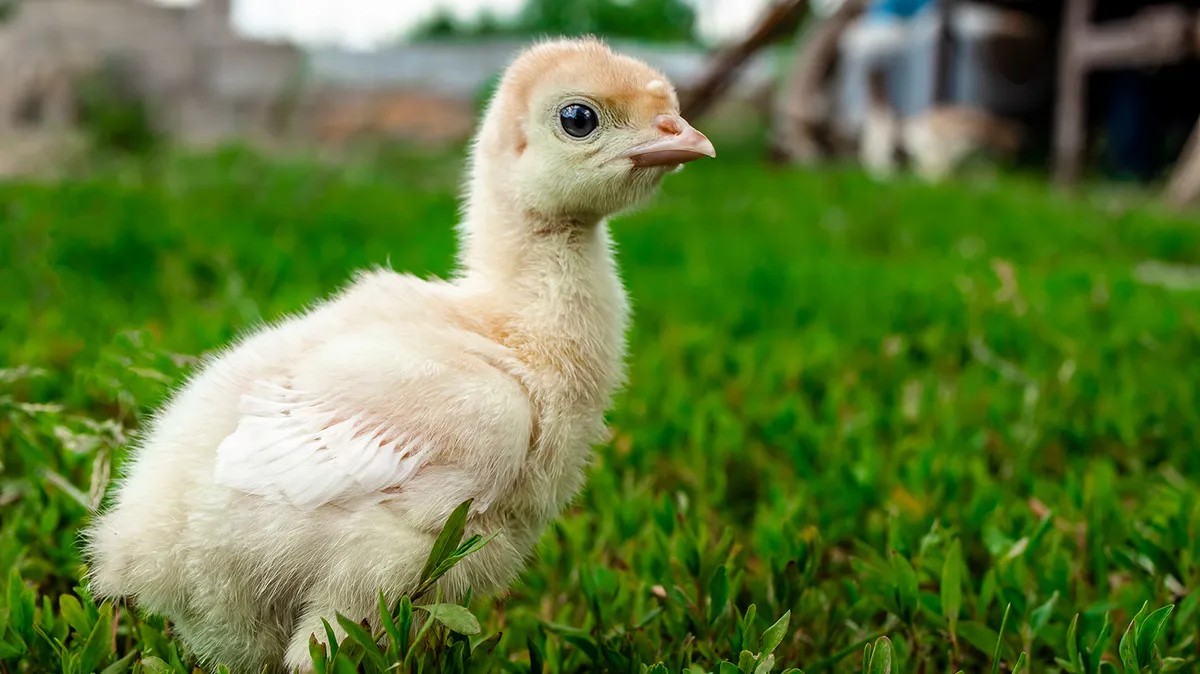
Most people picture a large, impressive turkey when they think of the bird. But have you ever wondered what a baby turkey is called, and what its life is like in those early days? The answer is ‘poults,’ a charming term for young turkeys that unlocks a deeper appreciation for their journey from tiny, vulnerable chicks to the birds we recognize.
What Is a Poult?
The term “poults” refers to baby turkeys from the moment they hatch until they develop feathers and are capable of flight. This early life stage is a period of rapid growth, learning, and constant vigilance against predators. While you might not often see them—they tend to stay close to cover—understanding this term allows you to connect with these birds in a new light.
Precocial Development: Ready to Go
Similar to baby chickens, turkey poults are precocial. This means they hatch relatively well-developed and are active and alert almost immediately. They begin following their mother, called a hen, shortly after hatching, instinctively learning essential skills like foraging and predator avoidance.
Life in the Wild: A Mother’s Guidance
In most areas of North America, wild turkeys nest on the ground, meaning poults are exposed from the moment they hatch. Within just 24 hours, they’re already running, following the hen, and primarily feeding on insects and occasionally nibbling on seeds. These tiny birds are easily startled by noises or disturbances, often seeking refuge by hiding.
Growth and Development: From Poult to Jake and Jenny
Poults grow quickly, developing feathers that enable them to fly short distances by about two weeks old. As they age, terminology shifts:
- Juvenile males are called jakes.
- Young females are sometimes called jennies, although this term is less common.
Once mature, male turkeys are known as toms or gobblers, while females are called hens. These names are applied equally to both wild and domestic birds.
Domestic Poult Life: Farms and Hatcheries
Domestic turkeys raised for meat also begin their lives as poults. On farms, these vulnerable poults are kept warm in specialized brooders and fed a consistent diet of grains and seeds.
Understanding that a large, impressive Thanksgiving turkey began as a tiny poult is a reminder of the life cycle’s remarkable transformations.
Challenges and Survival
Unlike the bold, often road-crossing turkeys sometimes seen in urban areas, baby turkeys are entirely dependent on their mothers or human farmers for survival. The first few weeks of life are crucial, and wild poult loss rates can be high due to predation (foxes, crows) and harsh environmental conditions.
The Importance of Social Learning
Turkeys learn essential behaviors – foraging, flying, avoiding danger – through mimicking adult birds. Hens play a vital role in teaching poults where to find food and how to react to potential threats.
A Flock Dynamic: The ‘Rafter’
A group of turkeys, called a rafter, often consists of several hens each with their poults, moving together as a cohesive unit. This is a familiar sight in rural areas, particularly in the United States and Mexico.
Next time you hear a distinctive gobble or see a turkey standing tall, remember its journey began as a small, ground-hugging poult.
The life of a turkey, from the vulnerable poult to the mature bird, is a testament to resilience and adaptability. A little bit of knowledge about their life stages allows us to better appreciate these fascinating creatures