



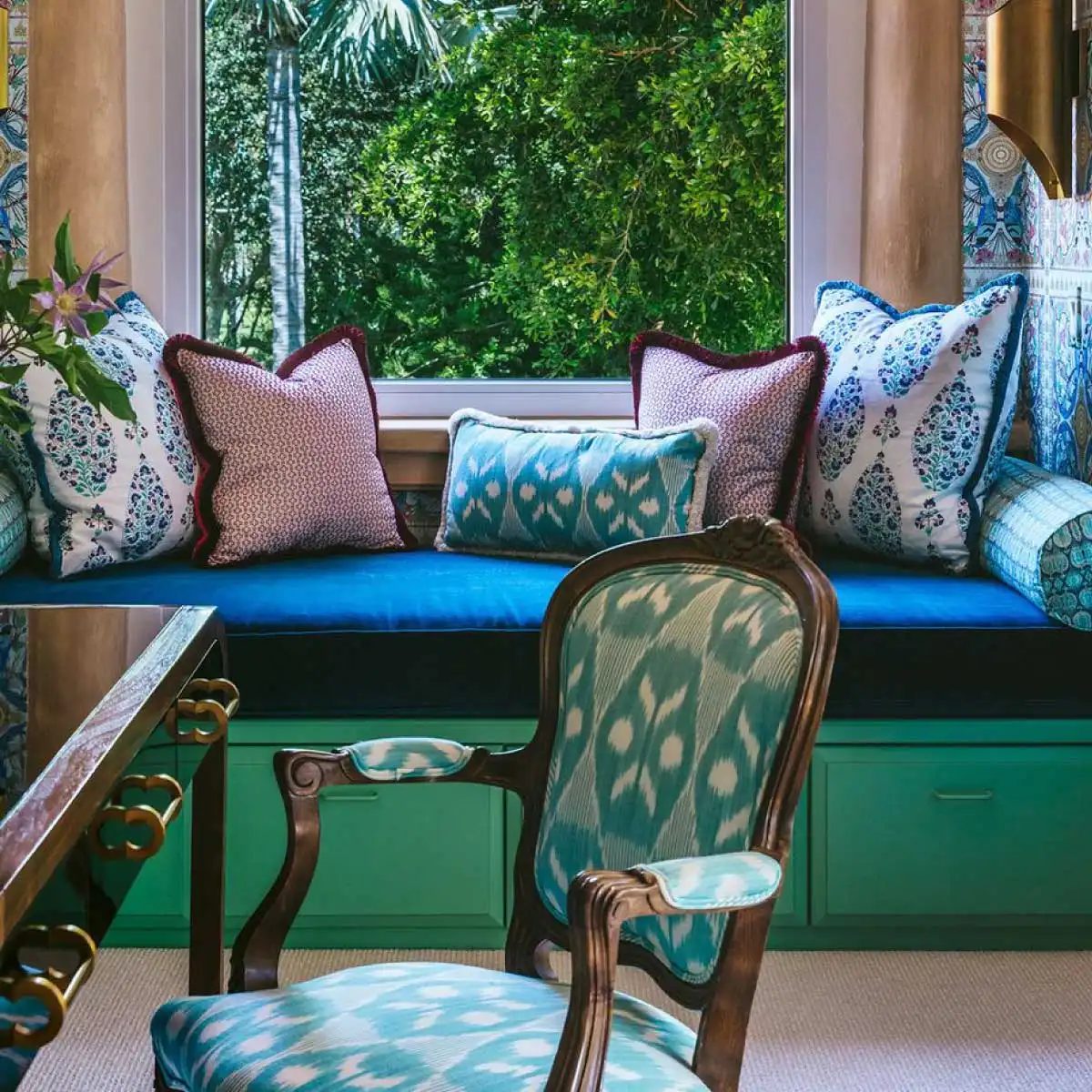
You walk into a room and immediately feel it. It’s not sterile. It’s not overly curated. It’s lived-in. But in a good way. This is the power of denim in interior design. We’ve spent decades wearing blue jeans. Now we’re putting them on our walls. And our furniture. And our pillows.
It’s not just a trend. It’s a texture revolution.
Denim brings a rugged authenticity that synthetic fabrics simply can’t mimic. Think about the difference between a crisp polyester sheet and a pair of faded, broken-in jeans. One feels artificial. The other feels like history. That’s the vibe homeowners are chasing right now.
Why Denim Works in Interior Design
The appeal isn’t just aesthetic. It’s practical. Denim is tough. It’s woven tightly. It resists wear and tear better than linen or cotton blends. If you have kids. Or pets. Or both. This material holds up.
Durability Meets Style
Most upholstery fabrics require dry cleaning or delicate cycles. Denim? It washes. It really washes. A spill on a denim sofa cushion can usually be blotted and treated without ruining the fabric’s integrity. This makes it a smart choice for high-traffic areas.
The Rustic Charm Factor
There’s a specific warmth to indigo. It pairs effortlessly with wood tones. Oak. Walnut. Even reclaimed pine. The contrast between the cool blue of denim and the warm amber of natural wood creates a balanced, inviting atmosphere. You don’t need to buy expensive new furniture to get this look. You can repurpose.
DIY Projects Using Denim
You don’t need a professional upholsterer. You can do this yourself. The barrier to entry is low. The tools are standard.
Throw Pillows and Cushions
This is the easiest entry point. Grab an old pair of jeans. Or buy second-hand Levi’s. They’re often cheaper than new fabric.
- Select your fabric: Look for heavy-weight denim. Stretch denim is harder to work with for structural pieces.
- Cut the pattern: Use an existing pillow insert as a template. Add half an inch for seam allowance.
- Sew: A standard sewing machine handles denim well. Use a heavy-duty needle if your machine allows it.
- Insert: Slide in your cushion.
You end up with a custom-sized, textured pillow that costs almost nothing.
Reupholstering Chairs
A dining chair with worn vinyl? Perfect candidate for denim.
- Remove the old fabric: Keep the staples or tacks. You’ll need them.
- Cut new denim: Be generous with the width. Tension is key.
- Attach: Staple from the center outwards to avoid wrinkles.
The result? A dining room that looks thrifted but intentional. That’s the “designer” look without the designer price tag.
Wall Art and Panels
Denim isn’t just for soft furnishings. It can be structural.
- Framed patches: Large denim squares can be stretched over canvas and framed like abstract art.
- Room dividers: Sew together multiple pairs of jeans to create a heavy, light-filtering curtain
Denim isn’t just for your wardrobe. It has a long history in fashion, but in home decor, it offers something different. Character. Uniqueness. If you want a rustic or industrial vibe, denim is a smart choice. It adds depth without trying too hard.
Here is how you can use it practically.
Reupholstering Furniture
Got an old chair? Maybe the frame is solid but the fabric is worn out. Or maybe you just want a fresh look. Denim works well here. It brings a natural touch. It looks sharp. It fits the rustic style perfectly.
You can use it on:
– Dining chairs
– Armchairs
– Sofas
– Throw pillows
How do you do this? You can wrap the fabric yourself. It requires some patience. Or, you can hire a professional upholsterer. The result is the same. The room feels more grounded. The texture of the denim softens hard lines.
Creating Custom Pillows
Pillows are easy to update. They are low risk. High reward.
Use denim for throw pillows or bolster cushions. You can mix different washes of denim. Light blue. Dark indigo. Black. The contrast creates interesting patterns. You don’t need a complex design. Simple seams often look best.
Combine denim with other materials. Linen? Cotton? Wool? Mixing textures keeps the eye moving. It prevents the room from looking flat.
Table Settings with Denim
Dining tables need more than just plates. A denim tablecloth or runner adds warmth. It feels inviting. It makes a meal feel less formal and more communal.
Use it on:
– The main dining table
– Side tables
– Coffee tables
The natural texture of denim adds a stylish touch. It doesn’t look cheap. It looks intentional.
Denim Curtains
Windows define a room. Denim curtains change the light. They bring an industrial feel. Yet, they remain warm and natural.
Why denim for windows?
1. Durability: It is thick. It lasts.
2. Privacy: It blocks light effectively.
3. Insulation: It helps with temperature control.
Hang them up. They filter the sun. They protect your privacy. They tie the room together.
Finishing Touches
Start small. A pillow. A runner. See how it feels. Denim ages well. It gets better with time. It develops a patina. That is part of the charm.
What else can you do with it? The possibilities are endless. Just be careful with the wash. Some fabrics shrink. Test first.
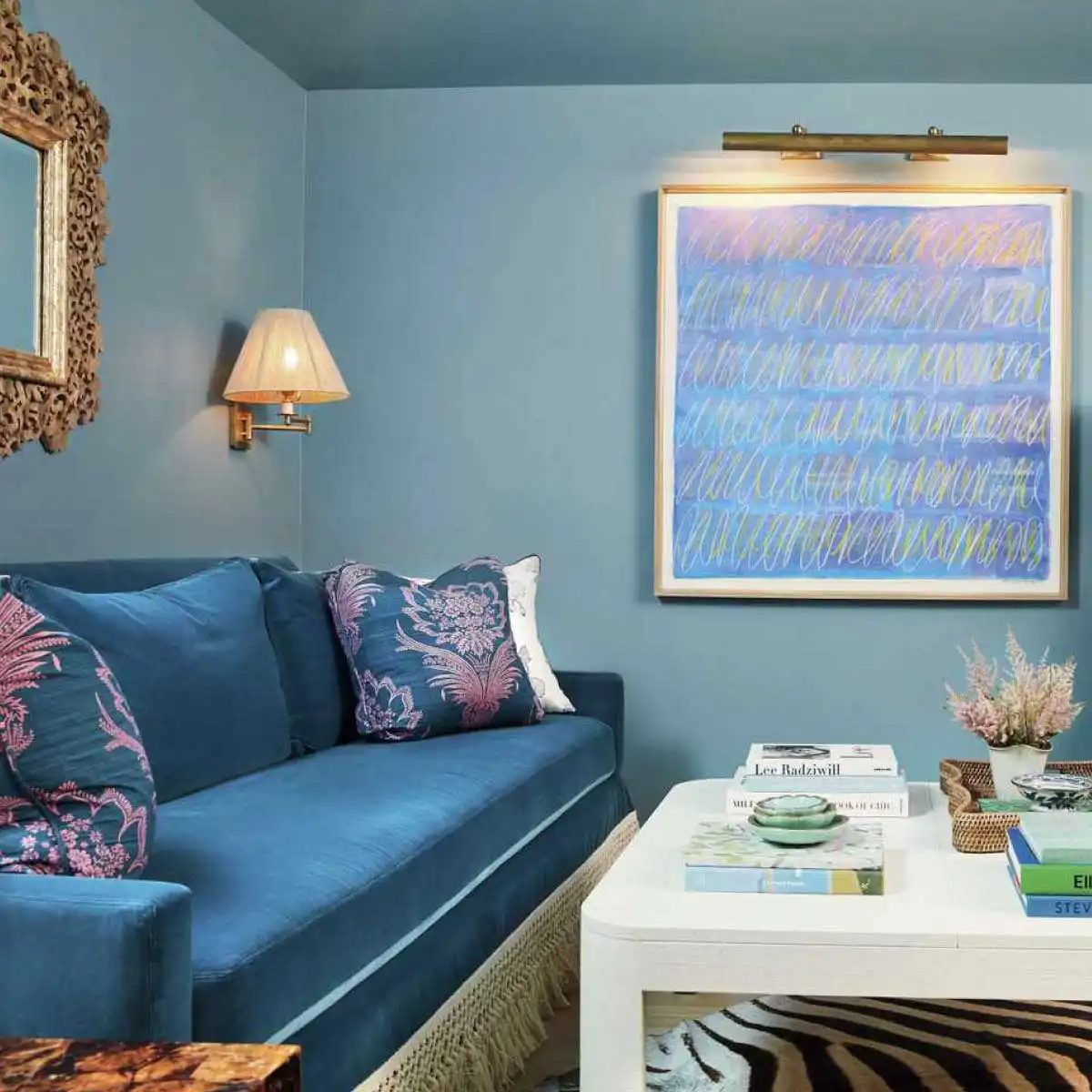
Denim isn’t just for your wardrobe. It works just as well on your sofa. You can transform a plain room into something with actual personality by swapping out generic throw pillows for ones made from old jeans or new denim fabric. The material brings a rustic, natural vibe that feels lived-in rather than showroom-fresh. It adds warmth without trying too hard.
The Texture of Real Denim
There is a reason denim stays popular. The weave is tight but flexible. It creates a tactile surface that invites you to touch it. When you look at a room filled with crisp, synthetic-looking covers, denim stands out because it has character. It wrinkles naturally. It softens over time.
Using denim pillows and bolsters creates an immediate sense of comfort. The fabric doesn’t demand perfection. It accepts wear and tear as part of its design language. This makes it ideal for homes with kids or pets. Or for anyone who likes their furniture to look used, not abused.
Mixing Denim Washes for Visual Interest
One mistake people make is using only one shade of blue. It gets flat. Fast. Instead, play with the spectrum of denim washes.
Try layering different tones. Pair a light-wash, almost-white denim pillow with a deep indigo bolster. The contrast creates depth. It stops the eye from glazing over. You can mix in vintage jeans with raw, unwashed denim for texture variation. The goal is dynamic balance, not uniformity.
Adding Embroidery and Patterns
Plain denim is cool. But adding a stitch or two makes it yours. Embroidery breaks up the solid color. It draws attention to the texture of the fabric.
You don’t need to be a master tailor. Simple geometric patterns or a single monogram add visual weight without overwhelming the space. These details highlight the natural grain of the denim while injecting personality into the room. It’s a low-effort, high-impact way to customize your decor.
Pairing Denim with Other Fabrics
Denim plays well with others. It’s a neutral foundation that can anchor wilder textures.
- Silk or Velvet: Pairing rugged denim with luxurious silk or plush velvet creates a striking contrast. The rough meets the smooth. It feels intentional and high-end.
- Natural Fibers: Cotton and linen are natural partners. They share the same earthy roots. A linen bolster next to a denim pillow feels grounded and organic.
This mix prevents the room from feeling too casual or too stiff. It strikes a balance between relaxed and refined.
Varying Sizes and Shapes
Stop buying matching sets. It’s boring. Real style comes from asymmetry.
Use large, square cushions as the base. They provide structure. Then, scatter smaller, rectangular bolsters or lumbar pillows on top. This layering technique adds movement to a static seating area. Different heights and widths create a more inviting, less rigid look.
Benefits of Denim Home Fashion
Kot kumaş artık sadece yırtık kenarlı pantolonların veya ceketlerin malzemesi değil. Son yıllarda ev ve ofis dekorasyonunda hırslı bir şekilde yükselen bir trend. Neden mi? Çünkü sadece görünüşüyle değil, pratikliğiyle de öne çıkıyor. Dikişli bir şekilde bakarsanız, denim evinize otantik bir dokunuş kazandırırken, sizi pahalı malzeme bağımlılığından kurtarıyor.
İşte bu “denim ev” konseptini benimsemenizin arkasındaki gerçek sebepler.
Rustik ve Doğal Bir Estetik
Kotun en büyük kozu, hammaddeye sadık kalması. Pamuklu, sert ama yumuşak dokusu, mekanlara anında bir “yaşanmışlık” hissi veriyor. Bu, soğuk ve kurumsal bir ofis havasını kırmak için ideal. Evinize kot eklediğinizde, ortamda doğal bir sıcaklık ve samimiyet yaratırsınız. Özellikle açık havada geçirilen anıların izlerini taşıyan bu kumaş, iç mekana doğallık katar.
Yırtılmayan Dayanıklılık ve Düşük Bakım
Ev dekorasyonunda en büyük kâbuslar? Lekeler ve yıpranma. Kot kumaş burada devreye giriyor. Kalın dokusu sayesinde aşınmaya karşı çok dirençli. Yıllar içinde rengi solsa bile, genel bütünlüğü korur. Ve en iyisi? Bakımı o kadar karmaşık değil.
Çoğu dekoratif kot ürününü (yastıklar, kanepe kılıfları) makinede yıkayabilirsiniz. Düşük bir ısıda, normal bir deterjanla. Bu, yoğun trafiği olan evlerde veya çocuklu aileler için gerçek bir kurtarıcı. Zamanınızı boşa harcamanıza gerek yok.
Renk ve Doku Oyunları
Tek bir renk mi düşünüyorsunuz? Yanlış. Denim evin en çok yönlü parçası olabilir.
- Klasik Mavi: Her şeyin başlangıcı.
- Siyah Kot: Daha modern ve keskin bir hava.
- Beyaz/Ecru: Mekanı ferahlatır, minimalist görünümler için ideal.
- Desenli/Boyaulu: Yaratıcılığı test etmenin yolu.
En önemli avantaj, kotun diğer kumaşlarla oynayabilmesidir. Kadife bir koltuğun üzerine kot bir yastık atın. Yün bir battaniyenin altına denim bir örtü serin. Farklı dokular, derinlik katar. Sıkıcı bir monokromdan kaçınmak istiyorsanız, kotun tonlarını karıştırarak zenginlik yaratabilirsiniz.
Geri Dönüşüm ve Sürdürülebilirlik
Bu sadece bir stil tercihi değil, bir farkındalık. Eski kot pant
You don’t need a massive budget to change the vibe of your living room. Sometimes, it’s just about rethinking what’s in your closet. Denim is one of those fabrics that works harder than it looks. It’s tough. It ages well. And frankly, it fits almost anywhere if you know how to layer it.
Using leftover jeans or thrifted jeans for home decor isn’t just a trend. It’s a practical way to add texture without breaking the bank.
Throw Pillows and Cushions
Start small. Pillows are the easiest entry point for DIY denim decor. You can swap out old, faded inserts for new ones cut from sturdy cotton twill.
Why denim? It holds structure better than many soft linens.
Mix different washes. Light blue next to dark indigo creates depth. Add a few in neutral tones like beige or grey to ground the look. This prevents the room from feeling too heavy or monochromatic.
“Denim brings a natural, lived-in feel that no synthetic fabric can quite replicate.”
Table Runners and Placemats
Your dining table doesn’t have to be polished marble or sleek glass. Denim runner ideas bring an industrial edge to the dining room.
Cut strips of denim. Hem the edges neatly. Sew them together or layer them for a rustic table runner. It adds warmth. It makes the space feel more inviting for dinner parties.
If you’re worried about spills, remember that denim is forgiving. A quick spot clean usually does the trick.
Wall Decor and Panels
Bare walls can feel sterile. Denim wall decor adds character without permanent damage.
Try a denim wall hanging. Cut squares or rectangles of fabric. Sew them onto a sturdy backing or a wooden frame. Arrange them in a grid or a random pattern. This is particularly effective in bedrooms or home offices.
It’s a low-commitment way to experiment with patterns. You can swap pieces out as your style evolves.
Denim Drapes and Curtains
Heavier fabrics filter light differently. Denim curtains are thick. They block out more light than sheer cotton. This makes them great for bedrooms where you need privacy and darkness.
They also add a rustic touch. The texture of denim contrasts nicely with smooth window frames.
Check your local fabric stores or repurpose old jeans for this project. The seams and pockets add visual interest that plain fabric lacks.
Ottoman and Stool Covers
Upholstered furniture can be expensive to replace. Why not reupholster?
Denim is durable. It resists wear and tear better than many delicate weaves. Use it to cover ottomans, stools, or even chair seats.
This is a hands-on project. You’ll need a sewing machine or strong thread. The result is a custom piece that matches your existing decor. Mix different shades of blue for a cohesive but dynamic look.
Which Styles Pair Best with Denim?
You might be wondering where denim fits in your existing decor. It’s not just for farmhouse aesthetics.
- Rustic: Natural wood and denim go hand-in-hand.
- Industrial: Metal accents and raw denim create a cohesive loft-style look.
- Boho: Layered textures work well here. Combine denim with macramé or wool throws.
It’s versatile. The key is balance. Don’t overdo it.
Cleaning and Maintenance
DIY denim decor isn’t maintenance-free. Denim can fade if washed incorrectly.
- Wash inside out to protect the color.
- Use cold water.
- Tumble dry on low or air dry to prevent shrinkage.
Always check care labels if you’re using pre-made pieces. For homemade items, be consistent with your washing routine.
What to Watch Out For
When mixing denim into your decor, keep the overall color palette in mind. Too many blues can feel cold. Balance it with warm wood tones, soft lighting, or neutral textiles.
It’s about creating a layered look. Not a costume.
Where to Start?
Pick one item. A pillow. A runner. A wall piece.
Start there. See how it feels in the space. Then expand.
The beauty of denim decor is that it’s forgiving. It doesn’t have to be perfect. It just has to work for your life.