



Tap water. We assume it’s clean. We assume it’s safe. But if you’re one of the 15 million Americans relying on private wells, that assumption is a gamble. The Environmental Protection Agency doesn’t regulate private wells. You are the utility company. You are the regulator. You are the one responsible for making sure the liquid coming out of your kitchen faucet doesn’t make you sick.
Most folks think well water is just “outback” water. Rural. Cheaper than city bills. Tastes crisp. Those things can be true. But the trade-off is labor. Municipal water is treated, tested, and monitored by professionals. Your well water? That’s on you. You need to know how it works. You need to know where it’s going wrong. And you need to know why ignoring it could cost you more than a monthly water bill.
Here is what you actually need to know before you drill.
Can You Dig Your Own Well Water Supply?
You don’t always dig. Sometimes you drill. The method depends on the aquifer you’re trying to reach. An aquifer is a layer of permeable rock or sediment that holds groundwater. If you miss the mark, you have dry dirt and a hole in your yard.
There are three main ways to access this water. Each has different risks and costs.
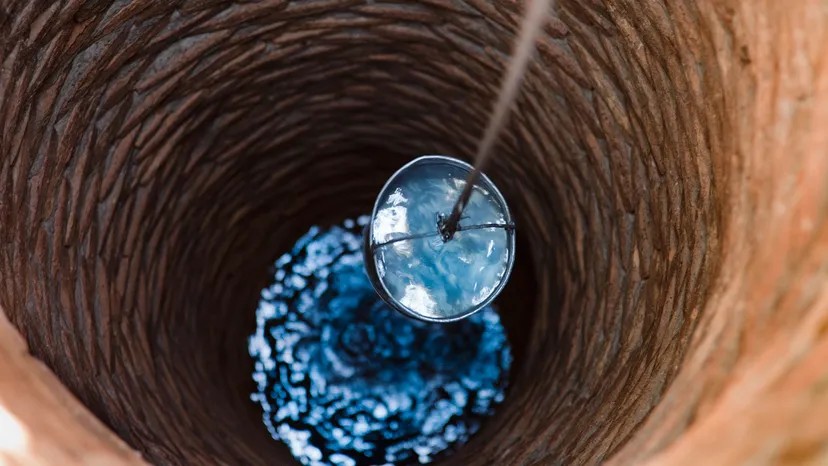
- Bored or Dug Wells: These are the oldest method. You dig them down 10 to 30 feet. They are often lined with brick or tile. The lining isn’t continuous. That gap? That’s an invitation for surface contaminants to slide right in. They are shallow. They are easy to dig, but they are also easy to pollute.
- Driven Wells: These go deeper, typically 30 to 50 feet. They use a steel pipe with a screen at the bottom to filter out sand while letting water in. The casing is seamless. Better than a dug well. But because they still draw from shallow groundwater, they remain vulnerable to nearby contamination sources.
- Drilled Wells: This is what most people think of when they hear “well.” These can go hundreds or thousands of feet down. They are continuously cased with steel or PVC. The casing seals the hole off from the surface. This is the gold standard for safety. The water source is so far from surface runoff that it is significantly less likely to be contaminated.
Why Private Well Water Quality Varies by Depth
Location dictates everything. If you live in an arid region, you might drill and hit nothing. Just hot rock. Or you might hit water that is too salty to drink. High salt content ruins taste and damages plumbing. It’s not worth the effort.
In other places, the water table is too shallow. This is a health hazard. Shallow wells are susceptible to chemicals seeping into the groundwater. Think fertilizers. Pesticides. Herbicides. If you are near industrial zones or heavy agriculture, your shallow well is a magnet for runoff.
Even in places with plenty of water, quality is not guaranteed. The EPA has found that many private wells in the U.S. exceed standards for nitrate. Nitrate occurs naturally. In high doses, it interferes with blood oxygen levels. It is dangerous, especially for infants.
You might think your water tastes fine. Taste is not a reliable indicator of safety. Bacteria? Odorless. Nitrates? Tasteless. Heavy metals? No flavor. You have to test.
Can Well Water Run Dry?
We tend to treat wells like infinite reservoirs. They aren’t. They are dynamic systems. They rely on recharge. Rain falls. It soaks into the ground. It refills the aquifer. If you pump harder than nature refills, you hit trouble.
Phil Ash, who works with contractors on water systems, notes that wells can run dry. It usually happens when you pump massive volumes for extended periods. The water level drops below the pump intake. Suddenly, you have no pressure. No flow.
When the aquifer starts to recover, the water might return. But it often comes back muddy. Dark. Full of sediment. It’s a sign that you pushed the system too far. The walls of the well are collapsing or the sediment filter is failing.
Other factors kill well supply. Less precipitation means less recharge. Loose sediments can infill the well screen, blocking flow. Low recharge rates in the aquifer mean the water table is dropping globally.
Maintenance Is Non-Negotiable
A well is not a set-it-and-forget-it appliance. It is a machine. It needs care.
Properly maintained wells can last decades. But that requires vigilance. You need to monitor the water level. You need to check the pump. You need to test the water.
Regular testing is the only way to ensure safety. You can’t see bacteria. You can’t smell nitrates. You have to send samples to a lab. Test for bacteria. Test for nitrates. Test for local contaminants based on your geography.
If you ignore this, you are gambling with your health. Municipal water has filters and protocols. Your well has nothing but the casing and the pump. If that casing cracks, if that seal fails, you are drinking groundwater directly.
The Cost of Independence
Building infrastructure yourself is expensive. Expanding municipal lines to remote rural homes is often too costly for local governments. That’s why private wells exist. They are the cost-effective solution for isolated homes.
But the upfront cost of drilling is just the beginning. You have the pump system. You have the casing. You have the testing. You have the repairs when the pump fails or the well runs dry.
It’s a trade-off. You save on monthly bills. You gain independence. But you lose the safety net. You take on the responsibility.
If you are considering a well, or if you already have one, understand the mechanics. Know your aquifer. Know your depth. Know your risks. The water is there. But it’s not guaranteed. And it’s not free.
The Taste Test: Why Well Water Hits Different
Municipal water systems rely on a cocktail of chemicals—chlorine, chlorine dioxide, ozone—to keep the general population safe. You know the taste. That sharp, chemical tang that makes you gag if you’ve ever drunk tap water straight from the sink. Switching to well water often feels like a palate cleanser.
John Linden, an interior designer who grew up with a private well, sees this shift constantly.
“If you’ve ever tasted bad tap water, then switching to well water might be a great relief. Many people agree that the taste is better but sometimes it still tastes slightly odd due to the lack of chlorine or organics such as fluoride in the system.”
The difference comes down to nutrients. Municipal water is stripped down and reconstituted. Well water pulls straight from the aquifer, carrying a mineral profile that varies wildly by location. That’s why it tastes fresh. It’s also why you need a lab test. You can’t guess what’s in that water.
There is a catch. Those same minerals that make the water taste good are notorious for leaving deposits on glassware. They stick. They build up. If you live in an area with hard water, you might need to switch to a soft sponge and skip the abrasive cleaners. Scratched dishware is a minor inconvenience compared to contaminated water, but it’s a real maintenance chore.
The Annual Health Check You Can’t Skip
Owning a well feels like freedom. It’s independence in pipe form. But remember: the EPA regulates public water. They test it constantly. You? You’re on your own.
You are responsible for your water safety. That means annual testing. Or more often, if the water looks or smells off.
Thomas Jepsen, a custom home planner who also relies on well water, suggests starting with basics.
“You can get a basic water test that tests for lead, bacteria, pesticides and more on Amazon for roughly $25. However, it’s good to have a thorough test done when you get the well drilled which will run you several hundred dollars. You’ll need to continue testing once per year, at least.”
A thorough initial test should check for these specific contaminants:
* Basic water potability
* Coliform bacteria
* Nitrates
* Ions
* Sulfate
* Fluoride
* Total dissolved solids
If your test comes back positive for chemicals, don’t drink it. Don’t even bathe in it. Some chemical contaminants can absorb through the skin. Call your local health department immediately. They can guide you on the next steps, but don’t wait.
Does Going Off-Grid Actually Save Money?
The math usually favors well water, especially in high-cost districts. The average U.S. household pays about $315 a year for public water. In some areas, that bill doubles or triples. Well water? It’s free, aside from the electricity to run the pump.
Shell, a water system expert, notes that while maintenance costs exist, the long-term savings are significant.
Let’s look at the numbers, courtesy of Insurify.
* Installation: A new well typically costs around $5,000 ($15 to $30 per foot of depth). If your property already has a well, you skip this entirely.
* Maintenance: Expect to spend $300 to $500 annually on upkeep.
* City Water Comparison: A family of four using 10,500 gallons a month at $0.005 per gallon costs roughly $630 a year.
A well-maintained pressure tank can last 25 years or more. That’s two decades of avoiding those municipal bills. Sure, one major repair could wipe out a few years of savings. But if the pump keeps running, you’re coming out ahead. Especially if you live somewhere with steep water rates.
Wells may be more reliable in uncertain times, such as when natural disasters strike. Public water mains break and widespread outages spread repair crews thin. A private well, if maintained properly, will always provide you with water.
Just keep a generator for the pump. Electricity outages are the well’s biggest vulnerability. And remember: if the well breaks during a crisis, you’re the plumber.
Frequently Asked Questions
How can homeowners ensure their well water remains safe for drinking over the years?
Regular testing for contaminants, proper well maintenance and immediate action upon detecting any issues are crucial steps for ensuring well water safety. What are the environmental impacts of drilling a well?
Drilling a well can have minimal environmental impact if done responsibly. However, if you do not manage it correctly or overuse it in a water-scarce area, there’s potential for contamination or groundwater depletion.