




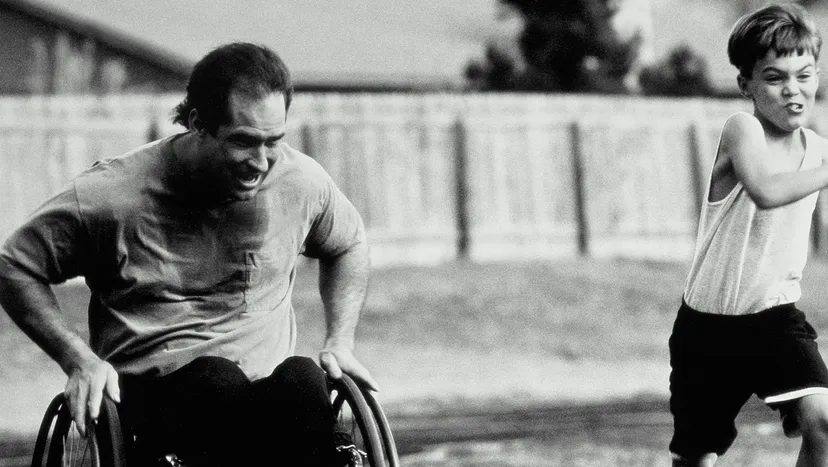
Sweat is necessary for survival. Without it, your body cooks from the inside out. But the stains it leaves behind? Those are a nightmare. Dark yellow patches under the arms. Discolored bands in hats. They make even a fresh outfit look washed out and neglected.
Getting them out is not magic. It is chemistry. And sometimes, just brute force with the right tools.
Most people panic. They toss the shirt in the washer. They throw it in the dryer. This is a mistake. If you dry a sweat stain, you seal it into the fibers permanently. The heat sets the proteins and salts. It locks them in.
Here is how to actually remove them. No guesswork. Just steps.
Why Sweat Stains Happen
It isn’t just water. Sweat contains fats, proteins, salt, and water. When you add deodorant, you introduce aluminum and zirconium. You add body oils.
These molecules mix. They bond. They embed themselves deep into the fabric structure. This creates that stubborn yellow discoloration you see on collars and underarms.
“These molecules build up over time to ultimately embed into the fabric of clothing fibers, and may even bind to the fabric and cause the yellow discoloration often found on sweat-stained clothing.”
This is why a simple rinse doesn’t work. You need to break that bond.
Can You Save Stained Clothes?
Usually, yes. Sweat stains are not always permanent. But time is the enemy. Old stains are harder to lift than fresh ones.
If you spot a stain, air dry the item immediately. Never use a machine dryer until the stain is gone. The dryer will bake the residue into the weave. Once it is baked, it is nearly impossible to remove without damaging the fabric.
How to Get Rid of Sweat Stains by Fabric Type
You cannot treat silk the same way you treat denim. Using the wrong method can ruin the material. Identify the fabric first. Then follow the protocol.
Delicate Fibers: Acetate, Rayon, Silk, Wool
These materials are fragile. Heat and harsh chemicals can shrink or dissolve them. You need a gentle approach.
- Sponge with water. Dampen a pad. Apply light strokes moving outward from the center of the stain. Do not rub inward. That pushes the stain deeper.
- Apply wet spotter and ammonia. Add a few drops of ammonia. Be careful with silk and wool. Ammonia can be too harsh for some protein-based fibers. Test a hidden area first.
- Cover with an absorbent pad. Moisten this pad with wet spotter. Lay it over the stain.
- Let it sit. The pad needs time to pull the stain out. Change the pad as it becomes saturated with the yellow residue.
- Keep it moist. Spray or apply more wet spotter and ammonia as needed. The stain needs moisture to migrate out of the fibers.
- Flush with water. Once the stain lifts, rinse thoroughly with water.
- Air dry. Let the item dry completely before wearing or storing.
Washable Fibers: Cotton, Polyester, Nylon, Spandex, Linen
These are your standard fabrics. They can take a beating. Enzymes are your best friend here.
- Enzyme presoak. Use an enzyme-based presoak product. Follow the package directions exactly. Enzymes break down the proteins in sweat.
- Launder as usual. Wash in the warmest water safe for the fabric.
- For old stains, use vinegar. If the stain is stubborn, sponge the area with a diluted solution of distilled white vinegar and water. Then wash.
- Ammonia fumes for color changes. If the fabric color shifts during treatment, stretch the stained area over a bowl of ammonia. Let the fumes penetrate while the spot is moist. This can help restore color balance.
- Act fast. Perspiration weakens fibers. The longer it sits, the more damage it does to the structural integrity of the cloth.
Caution: Never iron a garment with perspiration stains. The iron’s heat will set the stain permanently. If you must iron, ensure the stain is completely gone first.
Leather or Suede
These materials are porous and sensitive. Water can stain leather. Soap can dry out suede. Proceed with caution.
- Create suds. Mix mild soap with lukewarm water. Swish it around until you have a thick volume of suds. You want foam, not soapy water.
- Apply only the foam. Use a sponge to dab only the foam onto the stain. Avoid soaking the material.
- Wipe dry. Use a clean, dry cloth to blot the area.
- Condition leather. If the item is leather, apply a conditioner like Tannery Vintage Leather Cleaner & Conditioner or Fiebing’s Saddle Soap. This restores oils lost during cleaning. Suede does not need this step.
Vinyl Clothing
Vinyl is non-porous, so stains sit on the surface. They are easier to remove but can be slippery.
- Ammonia solution. Add a few drops of ammonia to warm water.
- Wipe with sudsy water. Dip a cloth in the solution. Wipe the stain away.
- Rinse and dry. Use a clean cloth to rinse off any residue. Wipe dry immediately.
DIY Ingredients for Stubborn Stains
Commercial removers work. But you likely have the ingredients in your pantry already.
Lemon Juice
Lemon juice is a natural bleach. It contains citric acid that breaks down stains.
* Mix equal parts lemon juice and water.
* Apply to the stain.
* Place the item in direct sunlight for one hour. The UV light activates the bleaching effect.
* Wash as usual.
Baking Soda Paste
This is an abrasive and absorbent mix.
* Combine ½ cup of baking soda with 1 tablespoon of hydrogen peroxide and 1 tablespoon of salt.
* Mix into a paste.
* Apply to the stain.
* Let it work before washing.
Hydrogen Peroxide
A powerful oxidizer.
* Mix equal parts hydrogen peroxide and water.
* Apply to the stain.
* Warning: Only use on white clothes. Hydrogen peroxide can bleach colored fabrics unpredictably.
Final Thoughts
You don’t need expensive products to save your favorite shirts. You need patience. You need to identify the fabric. And you need to avoid the dryer.
Start with the gentlest method. Escalate only if needed. Your armpits will continue to sweat. Your clothes will get stained. But now you know how to fix it.
The next time you see a yellow patch, don’t toss the item. Treat it.