



You scrub the grout. You polish the fixtures. You chase down every speck of dust on the hardwood. But you’re ignoring the things living on the shelves. The books. The records. The lampshades. They accumulate grime, too. And not cleaning them is a mistake.
This isn’t about deep cleaning. It’s about preservation. We’re talking about keeping your library from rotting and your media from skipping. We’ll start with the small stuff. The paper and plastic. Then we move to the fabrics.
Cleaning Books and Compact Discs
Books and CDs don’t need a chemical bath. They need airflow and patience. Dust is the enemy. Moisture is worse.
For Books:
If you stack them tightly, air doesn’t move. Mustiness sets in. Leave space between volumes. Keep them out of direct sunlight. UV rays fade bindings and break down paper fibers over time. Leather covers? They crack. Treat them every few months with a light oil. Just enough to nourish the skin. Don’t soak them.
Got a grease stain? Don’t use solvent. Use white bread. Crumble up soft crumbs. Rub them gently into the stain. The starch absorbs the oil. Brush it away.
What about damp books? If water got in, sprinkle cornstarch between the pages. Let it sit overnight. It draws out the moisture. Brush the white powder out in the morning. The book should be dry.
For CDs:
Sunlight and heat warp discs. Keep them in cases. Out of the car. Out of the attic.
Grease or oil on a disc causes skipping. Fingerprints do too. Blow on it first. Dust often floats right off. If that doesn’t work, use a soft cloth. Dip it in ethyl alcohol. Wipe from the center outward. Never in a circle. Circular scratches ruin data. Dry it completely before playing.
Dust, dirt, or fingerprints can cause CDs to skip. Always wipe from the center of the disc outward.
Cleaning Lamp Shades
Lamp shades are tricky. Materials vary. Some wash. Some dissolve. Some just get dirty.
Check the manufacturer’s label first. If you lost it, assume nothing is washable.
Washable Shades:
Fill a bathtub with warm water. Add liquid dishwashing detergent. Dip the shade. In and out. Make sure it’s fully submerged. Rinse in lukewarm water until the suds are gone. Take it outside. Swing it in a circle to fling off excess water. Dry it in the sun or use an electric fan. A hair dryer works in a pinch, but keep it moving.
Non-Washable or Glued Shades:
If the trim is glued, water will destroy it. Don’t submerge it.
Make a stiff foam. Mix 1/4 cup dishwashing liquid with 1 cup warm water. Whip it with an eggbeater until it peaks. Apply the foam with a sponge. Avoid the glued edges. Wipe away with a clean cloth wrung out in clear water. Let it air dry.
Other Materials:
Vacuum regularly. Use the brush attachment. Pull the dust out before it settles into the fibers.
Silk, nylon, and rayon? Only wash if they are sewn to the frame. If they’re glued, dry-clean only. Spot clean with a remover designed for delicate fabrics.
Plastic and fiberglass? Just wipe them down. A damp cloth removes soil. No soap needed usually.
Your lampshade looks new. The shade is white. The light is clear. But look down. What’s the metal base doing? It’s probably tarnishing.
Brass, Copper, and Gold: Restore the Shine
That silver set you dug out of the closet for Thanksgiving is probably dull. It happens. But you don’t need a chemical bath to fix it. Here is how you handle brass, copper, and gold without scratching them up.
Brass objects often come with a protective lacquer coat that eventually cracks or peels. To strip it, mix one cup of baking soda into two gallons of boiling water. Drop the item in. Let it sit until the water cools completely. The lacquer should peel right off.
To clean the brass itself, you have options. Mix one tablespoon each of salt, flour, and vinegar into a paste. Apply it with a soft cloth. Rub it in. Wash with warm soapy water. Buff it dry. Or, just cut a lemon, dip it in salt, and rub the metal directly.
Copper needs similar love. The same salt-flour-vinegar paste works here. Rub it on. Wash in hot soapy water. Rinse. Buff for shine. You can also mix two tablespoons of vinegar with one tablespoon of salt. Wash, rinse, and dry. A salt-dipped lemon works for copper too.
Gold is easier to mess up if you are careless, but these steps keep it bright. Mix one teaspoon of ash with enough water to make a paste. Rub it on the gold with a soft cloth. Rinse. Buff with a chamois. If you don’t have ash lying around, baking soda works just as well.
Pewter Requires Immediate Attention
Pewter stains easily. If you leave acidic foods, salt, or salad dressing on it, it turns black fast. Wash pewter food containers and flatware immediately after use.
For routine cleaning, use the outer leaves of a cabbage. Rub a leaf over the surface. Then buff with a soft cloth. It sounds weird. It works.
Silver Tarnish Removal
You have three reliable ways to remove tarnish from silver. Pick one. Do not mix them.
First, try the aluminum foil method. Place your tarnished silver in a glass dish. Add a piece of aluminum foil. Cover with one quart of hot water mixed with one tablespoon of baking soda. The chemical reaction between the foil and the silver lifts the tarnish. Do not use this on pieces with raised designs. You will lose the dark accents in the pattern.
Second, make a paste of three parts baking soda to one part water. Rub it gently on the silver with a soft cloth. The tarnish disappears quickly. Rinse. Buff with a clean cloth.
Third, mix powdered white chalk with just enough ammonia to moisten it. Rub this paste gently on the silver. Rinse. Buff to bring up the shine.
Piano Care: Beyond the Keys
High-priced items like pianos need the same respect as your silver, maybe more. They are delicate instruments, not just furniture.
Get it tuned by a licensed tuner four times in the first year if it’s new. Semiannually if it’s older. Tuning is required every time you move it. Sound matters. So does looks.
Dust the case regularly with a soft cloth. If your piano has a varnish or lacquer finish, use a nonsilicone furniture polish or wax. If it has a high-gloss polyester epoxy finish, just clean it with a cloth and buff it. Never wax or rub polish on an epoxy finish.
Stains on ivory or plastic keys? Dip a cloth in baking soda. Wipe the keys. Be careful not to let the soda fall between the keys. Wipe with a clean cloth. Buff.
Next up, we look at cleaning decorative objects.
Cleaning Candlesticks Without Scratching
Hardened wax is the enemy of clean candlesticks. You can often just push it off with your fingertips. Use the balls of your fingers. It works on metal and glass. If your nails are short, wrap one in thin cloth to avoid scratches.
When simple pushing doesn’t work, try heat. Warm water works if the piece is submersible. Use a hair dryer for larger or non-immersible stands. The warm air softens the wax so it slides off.
Silver needs a different approach. Put the candlestick in the freezer. The wax shrinks and freezes solid. It peels off in one piece. No scrubbing. No risk of scratching the silver.
How to Clean a Chandelier Without Taking It Down
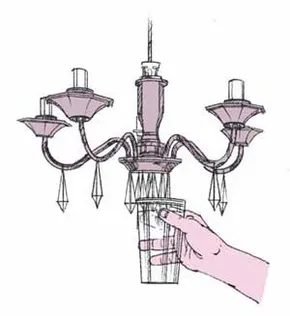
Vacuuming first is non-negotiable. Dust up high. Use the brush attachment. Then mix your cleaning solution. One part denatured alcohol to three parts water works well. Use a drinking glass.
Protect the floor below. Lay down newspaper or plastic sheeting. Set up a sturdy ladder. You need stability. Dip one crystal at a time. Swish it in the solution for a few seconds. Let it air-dry in place. The alcohol evaporates quickly. No streaks. No water spots.
Fabric Flowers: Dusting and Reviving
Synthetic blooms collect dust fast. They look dingy if ignored. Check the manufacturer’s tag first. Some flowers are washable. Most are not.
Vacuum them on low suction. The brush attachment lifts surface dust without pulling petals loose. For silk flowers, use a damp sponge. Do not wash silk. Water ruins the finish.
If a flower is truly dirty and labeled washable, use mild dish soap. Dip it briefly. Hang it by the stem to dry. You can also use a hair dryer on a cool setting. Steam helps wilted flowers perk up. Hold them near a tea kettle or use a steam iron at a distance.
For a quick refresh, try dry cleaning at home. Shake sturdy flowers in a paper bag with dry oats, cornmeal, or salt. The grain absorbs oil and dust. Shake it out and discard the grain.
Preserving Paintings and Frames
Oil, acrylic, watercolor. They all need minimal intervention. If the canvas is torn or the paint is flaking, stop. Do not attempt home repair. Consult a professional conservator.
For routine cleaning, vacuum the frame and glass. Use the brush attachment. Do not press hard. Moisture is the enemy behind the glass. Keep the frame dry.
Furniture polish can damage frames. Never spray it directly. Spray the cloth first. Wipe the frame gently. For gilt frames that have tarnished, use turpentine on a rag. It brings back the shine.
Work in a well-ventilated area to avoid breathing fumes from these products.
Alabaster: Handling a Soft Stone
Alabaster looks like marble. It is soft. You can scratch it with a fingernail. It breaks easily. Handle it with extreme care.
Dust it frequently. Use a soft, untreated cloth. When you need to clean it, use borax. It is mild. Dip a moistened cloth in dry borax. Rub the surface gently. Rinse with warm water. Buff dry with a soft cloth. This method also works for marble.
Cleaning Bone and Ivory Objects
Bone and ivory are animal products. They require special handling. Most modern “ivory” is synthetic. Real ivory is banned in many places due to elephant protection laws.
Dust regularly. A soft cloth or vacuum brush works. Wash bone and ivory in mild soapsuds occasionally. Rinse well. Buff dry. Do not soak pieces that are cemented together. The water loosens the adhesive.
Never put bone-handled knives in the dishwasher. The heat and detergent will ruin the handle. Keep ivory out of constant darkness. Darkness causes yellowing.
If ivory yellows, use a lemon and salt remedy. Cut a lemon in half. Dip it in salt. Rub it over the surface. Let it dry. Wipe it off. Buff it for a bright finish.
Maintaining Jade and Marble
Jade is hard. It is not porous. It needs very little care. Dust it regularly. Buff it with a soft cloth when it looks dull. Colors range from white to dark green. Occasional tints of brown, mauve, blue, yellow, red, gray, or black add to its beauty.
Marble is polished limestone. It is beautiful but porous. Seal floors, tables, and countertops with a stone sealer. This reduces porosity. Protect tables with coasters. Wipe acidic spills immediately. Acid etches the surface permanently.
Clean light soil with a sponge. Do not use abrasive or caustic cleaners. Oil polish or soft wax will discolor marble. Commercial polishes exist. Some are flammable. Read the manufacturer’s directions. Follow them strictly.
Porcelain Care
Porcelain and clay objects are common in homes. Vases. Lamp bases. Candlesticks. Statuary.
Dust regularly. Use the brush attachment of your vacuum cleaner. Or a clean, soft cloth. Gentle handling preserves the glaze. Avoid harsh chemicals. Water spots can mar the finish. Dry immediately after any wet cleaning.
Clean porcelain using warm water and mild soap. Avoid harsh abrasives that might scratch the glaze. Rinse thoroughly and dry with a soft cloth. This keeps the surface shining without dulling its finish.
Caring for Wooden Furniture
Wood furniture dominates many living spaces. It requires a different approach than ceramic or glass. Moisture and heat can damage the grain over time. Dust regularly with a microfiber cloth to prevent scratches. Avoid placing wooden pieces near direct sunlight or heating vents.
Cleaning Tips for Wood Surfaces
Use a damp cloth with a small amount of wood-specific cleaner. Never soak the wood. Excess water can cause warping or swelling. For stubborn stains, a tiny bit of vinegar mixed with olive oil may help. Always test any solution in an inconspicuous area first.
You wouldn’t scrub a cast-iron skillet with steel wool. You wouldn’t put silk in a hot dryer. So why treat your furniture like a generic object? Cleaning wood requires knowing what’s under the surface. Is it oiled? Painted? Lacquered? Or is it that rare, raw timber that needs feeding?
Get it wrong, and you ruin the finish. Get it right, and your pieces last decades.
How to Clean Oiled Wood Furniture
Oiled wood has a specific character. It’s warm. Soft. It breathes. But it doesn’t like wax.
Wax seals the pores. Once those pores are blocked, the wood can’t absorb moisture from the air. It dries out. It becomes brittle. Cracks appear. Don’t wax an oil finish. Ever.
If you get white rings from wet glasses, don’t panic. You don’t need expensive chemicals.
- Rub the spot with toothpaste on a cloth. The mild abrasive lifts the stain without scratching.
- Or use a mild abrasive mixed with oil. Ash, salt, baking soda, or pumice work. Pair them with olive oil, petroleum jelly, or cooking oil.
Keep it simple. Apply furniture oil occasionally. That’s it.
Painted Wood Care
Painted wood is deceptively tough. The paint protects the wood, but the paint itself is fragile.
Polishes and waxes can damage the color. They can dull the sheen. Or worse, they can react with the paint and cause peeling.
The best care? Less is more.
- Vacuum regularly. Use the brush attachment to lift dust from crevices.
- Wipe smudges with a sponge. Just water. Sometimes that’s enough.
If you absolutely must wax, use a hard paste wax. Once a year. That’s the limit. Anything more invites problems.
Polished Wood Surfaces
This category covers varnish, lacquer, and wax finishes. These are sealed surfaces. They repel moisture. They shine.
Commercial polishes work well here. But choose carefully. Paste wax offers a harder, longer-lasting finish than spray or liquid options. If you have antiques, paste wax is the standard.
Want to avoid fingerprints? Wear cotton gloves. It sounds old-school, but it works.
Still dealing with residue?
- Sprinkle cornstarch over polished furniture. Rub it in. It absorbs excess oil or wax. Buff it to a high gloss.
- Wipe the surface with a cloth dipped in strong tea. Then buff. The tannins can help restore depth.
- Got white rings? Apply mayonnaise. Let it sit for an hour. Wipe it off with a soft cloth. Then polish. The oils penetrate and lift the mark.
Specialty Woods: Wicker, Bamboo, and Cane
These materials are different. They’re fibers. They’re natural. They react to humidity.
Vacuum them with the brush attachment. Dust gets trapped in the weave. Pull it out.
For most pieces, a light rinse with water restores moisture to the fibers. Rush chair seats are the exception. Moisture ruins them.
If a cane seat becomes loose, water is your friend. Spray the unvarnished side with water. Let it dry naturally. The fibers swell and tighten. It holds again.
Check if your piece has a varnish or shellac coating. If it does, avoid soaking it. Water will cloud the finish.
DIY Oil Finish for Raw Wood
Sometimes store-bought isn’t enough. Or maybe you just want to control the ingredients.
Making your own oil finish is straightforward.
- Pour equal parts turpentine and boiled linseed oil into a jar.
- Tighten the lid. Shake well.
Caution: Wear rubber gloves. These chemicals are harsh on skin.
Pour a small amount onto a soft cloth. Rub the furniture following the grain. It looks oily at first. Wait an hour. The wood absorbs it. The rest evaporates or sinks in. You’re left with a soft sheen. Not plastic-looking. Just rich wood.
Cleaning Upholstery: Fabric, Leather, and Vinyl
Now for the soft stuff. Most homes have fabric, leather, or vinyl. Each has a different maintenance routine.
Fabric Upholstery
Most fabric can be shampooed at home. Check the tag first. If it says “Dry-clean only,” don’t risk it. Spot-clean with a solvent instead.
For cleanable fabrics, try this:
- Mix 1/4 cup dishwashing liquid with 1 cup warm water.
- Whip it with an eggbeater until you have foam.
- Apply the foam to a small section using a clean, soft-bristled brush.
- Shake off excess water.
- Rinse by rubbing with a moist, clean cloth. Rinse the cloth as needed.
Work in small sections. You don’t want to soak the padding.
Leather Upholstery
Leather needs soap. Pure soap. No detergents. Detergents strip the natural oils.
A sudsy solution of dishwashing liquid and warm water works best.
- Apply the suds only. Don’t soak the leather.
- Scrub gently with a soft-bristled brush.
- Wipe clean with a damp sponge.
Condition it occasionally. Leather dries out. It cracks. Conditioner restores moisture and brings back the sheen.
Vinyl Upholstery
Vinyl is durable, but it’s not invincible.
Clean it like leather. Or use a commercial vinyl cleaner.
For a DIY approach:
- Use baking soda on a cloth.
- Follow with a light wash using dishwashing liquid.
Never use oil on vinyl. It hardens the material. It makes it brittle over time.
The Bottom Line
You don’t need to be a professional restorer. You just need to be careful.
Know your material. Use the right tool. Don’t overdo it.
Vacuum regularly. Spot clean immediately. Condition when needed.
If you follow these steps, your furniture won’t just survive. It will age gracefully. Show off your home. Every day.
The work never really stops. But it gets easier.