



Most of us treat shower water like waste. We flip the plug, hear the rush, and watch gallons of potentially useful liquid disappear into the sewers. It feels inevitable. It feels normal. But it isn’t necessary.
Think about it. Every time you take a bath or a quick shower, you are discarding a resource that could water your plants, clean your floors, or even help you save money on your utility bill. The key isn’t just saving water for the sake of saving it. It’s about recognizing that this “greywater” — water from baths and sinks, distinct from toilet waste — is a practical tool.
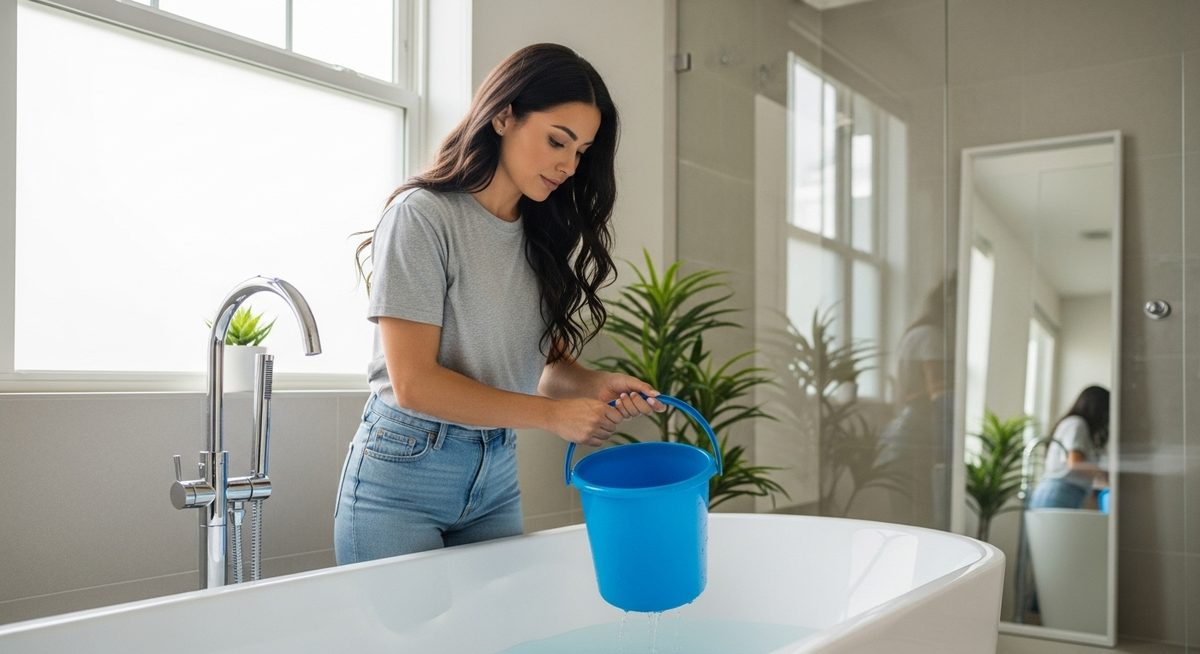
You don’t need a complex filtration system. You don’t need to install expensive recycling tanks. You need a bucket. And a mindset shift.
Why Shower Water Is Better Than Tap Water for Plants
Here is the part most people miss. Shower water is often superior to fresh tap water for gardening, provided you aren’t using harsh chemicals.
Tap water is full of chlorine and fluorides. These are added to kill bacteria in your pipes. They are terrible for soil microbiology. Shower water has lost most of its chlorine through agitation and heat. It is softer. It is warm. And if you skipped the industrial-strength body wash, it is relatively clean.
The temperature matters more than you think. Pouring ice-cold water on roots in late summer shocks the plant. It stalls growth. Warm shower water encourages root uptake. It hydrates without the thermal shock.
The Rules of Greywater Gardening
Before you grab the bucket, understand the limits. Not all greywater is created equal.
Safe for Plants:
* Water from a rinse-only shower.
* Water from a bath where you used mild soap.
* Water from hand-washing dishes (with non-toxic detergent).
Avoid Completely:
* Water from laundry cycles (high alkali).
* Water from toilet bowls.
* Water containing bleach, strong oils, or medicinal additives.
If you used a bubble bath with artificial fragrances, skip the garden. Those chemicals can alter soil pH and harm beneficial microbes. Stick to simple, biodegradable soaps. Your plants will thank you.
Where to Use It
You might be wondering where exactly this water should go. It’s not a free-for-all.
1. Ornamental Trees and Shrubs
Deep watering is best here. Pour the water at the base of the tree, not on the leaves. Leaves can burn if the water sits under the sun with residual soap. The roots will drink up that warmth and moisture.
2. Lawn Care
Lawns love consistency. Instead of waiting for a drought, use your shower water to top off dry patches. It prevents the grass from turning brown between rain cycles. It keeps the green going longer into the dry season.
3. Balcony Pots
Container plants dry out fast. If you have potted herbs or flowers on a balcony, collect your rinse water. It’s a small amount, but it adds up. One shower could water two medium-sized pots.
4. Indoor Houseplants
Yes, you can take your plants into the bathroom. Or, collect the water in a basin and use a watering can. Most indoor plants tolerate the soft water better than the hard tap water from your kitchen faucet.
The Tools You Need
You don’t need high-tech gear. You need low-tech solutions.
- A Bucket with a Lid: To prevent mosquitoes from breeding. Stagnant water is a mosquito magnet. Cover it.
- A Sponge or Strainer: To catch hair. Nobody wants to sift through your water

Indoor reuse for cleaning and flushing
You don’t have to lug a bucket to the yard. That bathwater has a job inside the house too.
Tile floors take a beating. Rain brings mud. Shoes track in dirt. Rinsing these surfaces with reused water makes sense. It saves potable water for drinking and cooking.
Garden tools get caked in mud. Bristle brushes collect dust. Bricolage accessories gather grime. A quick soak in a bucket of bathwater loosens the gunk. You scrub easier. You waste less time.
Shutters collect years of urban grime. Soak them. Scrub them. The slightly soapy water helps break down the grease. It’s a pre-wash step that saves elbow grease.
Gravel paths kick up dust in the summer. Sprinkling them with this water settles the particles. No dry clouds hanging over the driveway.
Then there are the toilets.
Skip the flush button. Use a dedicated bucket. Fill it with bathwater. Pour it in.
The force of the water provides the flush. You save gallons with every single use. It’s not just a good idea. It’s a mathematical advantage.
- One 10-liter bucket handles a full manual WC flush.
- It also covers the rinsing of about 15 square meters of terrace.
Daily habits and big savings
A standard bath uses between 150 and 200 liters of water. That is a massive volume. Treating that volume as waste is illogical.
View the bathroom as a resource hub. The water isn’t “dirty” in a toxic sense. It’s just soap and skin cells. For cleaning tasks, it works.
Load up the pre-wash cycle of the washing machine with heavily soiled items. Towels from the gym. Work boots. The suds help lift dirt.
Rinse your car. The water spreads evenly. It cools the surface. It removes road salt or bird droppings without using fresh tap water.
Fill a basin for shoe cleaning. Wash the baskets from the farmers market. The soap content cuts through organic residues.
Large families have the most to gain. Create a system. Label buckets. Designate stations. Make it a habit.
This isn’t just about the bill. It’s about the supply chain. Fresh water is becoming scarcer. Using what you already have is a practical response to that reality.
It builds a chain of small benefits. Lower utility costs. Less strain on municipal treatment plants. A cleaner conscience.
The shift is subtle. You aren’t living in deprivation. You are just smarter about the flow of water through your home.
Why stop at the bath? Once you start seeing water as a reusable asset, other inefficiencies stand out. You begin to notice where else you can close the loop.