





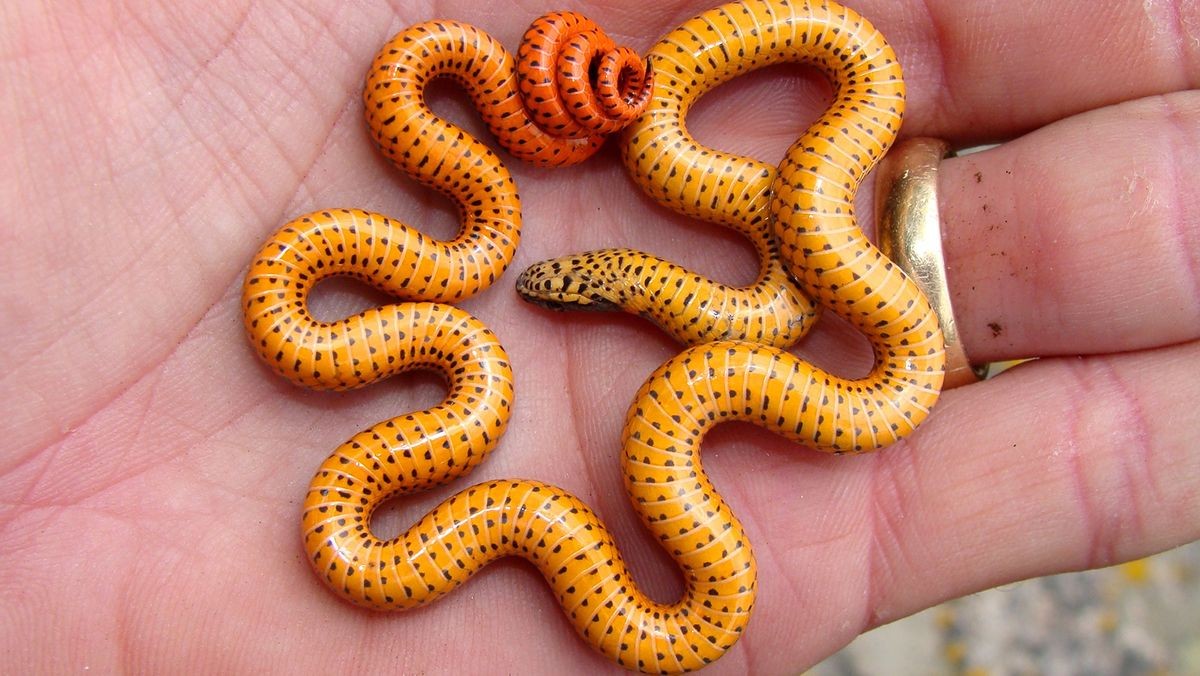
Snakes often evoke images of danger and mystery, but a growing number of these reptiles are challenging that perception. Several snake species are rapidly gaining popularity, not for their intimidating qualities, but for their undeniably charming appearances and gentle nature, becoming internet sensations and capturing the hearts of many.
Why Are These Snakes Considered “Cute”?
While “cute” is subjective, these snakes share characteristics that trigger positive responses: small size, distinctive markings, expressive eyes, and a generally docile temperament. Their appeal extends beyond novelty, as many are also relatively harmless to humans, making them accessible and endearing.
Spotlight on the Loveliest Serpents
Here’s a look at 10 snake species that are steadily gaining recognition for their unique cuteness:
1. Arabian Sand Boa: A Cartoonish Charm
The Arabian sand boa looks like it was plucked straight from a cartoon. Its distinctive, bug-like eyes perched atop its head and a seemingly permanent smirk give it an endearing, almost comical expression. Native to the deserts of the Middle East, these snakes are burrowing specialists, rarely exceeding 16 inches (40 cm) in length. They’re frequently featured in online memes and Instagram posts, demonstrating their internet appeal.
2. Ball Python: Calm Companions
Ball pythons are favorites among pet owners, appreciated for their calm demeanor and curiosity. Found in the grasslands of Africa, they come in a dazzling array of color patterns. Their docile nature makes them suitable as a first pet snake, and they comfortably thrive in home terrariums. Notably, they respond well to handling and can become long-term, gentle companions.
3. Hognose Snake: Master of Drama
The upturned snout of the hognose snake contributes to its playful appearance. However, the snake’s drama skills are what truly set it apart. When threatened, they dramatically flatten their heads like a cobra or play dead, rolling onto their backs. Their flair for the theatrical has garnered significant viral attention. Native to North America, they primarily eat amphibians and insects, and rarely bite.
4. Ringneck Snake: Tiny Flash of Color
The ringneck snake offers a vibrant splash of color in the undergrowth. With its black body and bright-orange neck band, this tiny snake (growing to about 25 cm) is a lovely sight among leaves and logs. While rarely seen in the wild, their small size and docile nature make them an appealing discovery for hikers. They are entirely harmless to humans.
5. Eyelash Viper: Startled Beauty
Don’t be misled by the name – the “eyelashes” are simply raised scales above the eyes, creating a startled, wide-eyed look. Native to Central and South America, the eyelash viper is a beautiful, small, and brightly colored reptile. While venomous, its striking appearance makes it a favorite subject in wildlife photography and reptile review content.
6. Corn Snake: Gentle and Popular
Corn snakes are renowned for their smooth, colorful scales and ease of handling. They play a valuable ecological role by controlling rodent populations on farms. Their gentle nature and striking patterns have made them one of the most popular pet snakes in the United States. They’re commonly featured in content about reptile care, breeding, and feeding, often considered beginner-friendly.
7. Kenyan Sand Boa: The Chunky Baby
The Kenyan sand boa is often described as the “chunky baby” of the snake world. Its short, plump body, tiny head, and barely visible eyes contribute to its endearing appearance. They spend much of their time buried in warm sand, emerging to eat small lizards or rodents. Their minimal space needs and calm behavior make them popular pets.
8. Children’s Python: A Beginner-Friendly Choice
Despite the name, this species wasn’t named for children but for the scientist John George Children. Still, it’s an excellent pet for beginners. Native to Australia, they typically grow to about 1 meter, eat small mammals, and thrive in a well-controlled habitat. Their calm temperament makes them stand out as an ideal snake for newcomers to reptile keeping.
9. Rosy Boa: A Smiling Face
The rosy boa is one of only two native boa species found in the United States. Known for their slow movement, ease of handling, and friendly appearance—often described as a “smile”—these snakes adapt well to human contact. They can be raised on a simple diet of thawed mice and are also used in educational programs to promote understanding of reptiles.
10. A Growing Appreciation
The rising popularity of these snake species reveals a shift in perception—snakes are no longer solely associated with fear. These charming reptiles demonstrate the diversity and beauty of the natural world, proving that even serpents can captivate our hearts.
The growing appreciation for these snakes highlights a fascinating trend: the re-evaluation of creatures often misunderstood, and a growing interest in the captivating aspects of the reptile world