



The dormant months of winter are an ideal time to plan and prepare for a thriving garden in the spring. While the ground may be frozen, there’s still plenty to do to ensure a bountiful harvest. Here’s a comprehensive guide to maximizing your winter garden productivity.
Planning & Seed Acquisition
The first step toward a successful growing season is thoughtful preparation. Use this time to design your garden layout, sketch new beds, and browse seed catalogs for inspiration. Keep a garden journal to track experiments and refine your approach for the next year.
- Order Seeds Now: Secure your favorite varieties and explore new options before they sell out. Store seeds in a cool, dark, and dry place to maintain viability.
- Don’t Forget Bare Root Plants: Seed catalogs also offer bare root strawberries, fruit trees, and perennials. Ordering early guarantees availability.
Soil Health & Structure
Healthy soil is the foundation of any successful garden. Use winter to assess and improve your soil’s quality.
- Test Your Soil: Nutrient deficiencies become plant problems later. Test now to address imbalances before spring.
- Add Amendments: Apply slow-release fertilizers, manure, or compost to boost soil health. Mix into the top 6 inches if the ground isn’t frozen, or layer and wait for thawing.
- Build New Beds: Craft raised beds or use the lasagna gardening technique to expand your growing space. Hügelkultur beds – mounds of logs, leaves, and debris – are another effective option.
Protection & Early Growth
Even in winter, you can take steps to protect your garden and start growing.
- Apply Mulch: Protect soil from drying winds with 2-4 inch layers of straw, compost, or wood chips. Keep mulch away from plant stems to prevent rot.
- Sow Seeds Indoors: Start slow-growing vegetables and herbs like celery and chives in pots under grow lights to extend your growing season.
- Start an Indoor Herb Garden: Keep fresh herbs available all winter by growing them indoors in pots. Chives, mint, cilantro, and basil thrive indoors.
Wildlife & Maintenance
Winter is also an opportunity to support wildlife and maintain your gardening tools.
- Attract Winter Birds: Provide food and water (heated bird baths are ideal) to attract birds and enjoy winter birdwatching.
- Prune Dormant Trees: Late fall to early spring is the best time to prune fruit, deciduous, and flowering trees (avoid pruning those that bloom on old wood).
- Support Pollinators: Leave leaf litter in flower beds or start native plant seeds indoors to help bees and butterflies. Build a bee hotel by drilling holes in untreated wood.
- Clean Garden Tools: Soak rusty tools in distilled vinegar, polish with steel wool, and disinfect with rubbing alcohol.
Advanced Techniques
For serious gardeners, winter offers opportunities for more experimental techniques.
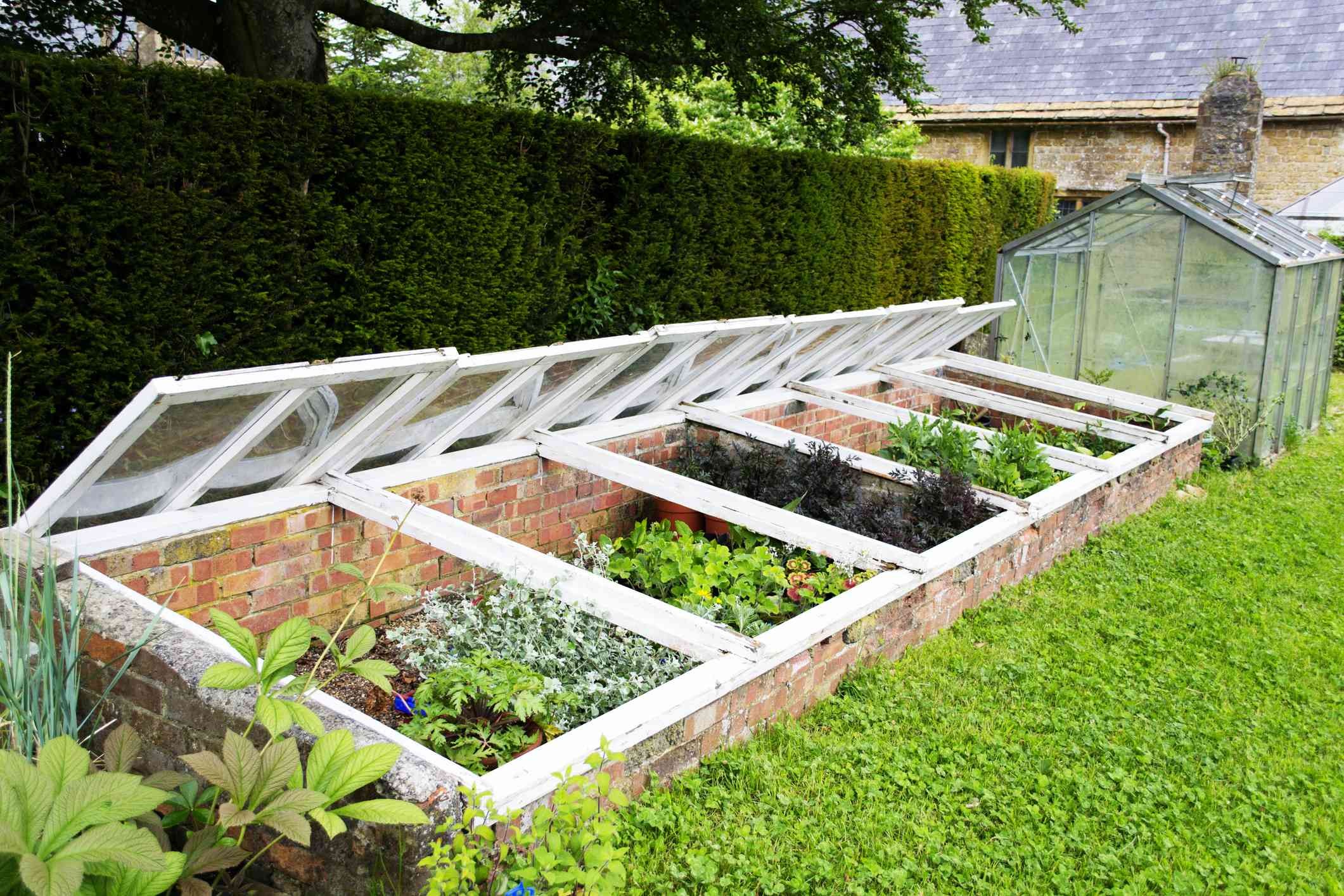
- Grow Cold Hardy Crops: In mild climates, protect plants like brassicas, radishes, and carrots with cold frames or row covers.
- Winter Sow Wildflowers: Cold stratification helps seeds germinate. Sow native seeds in upcycled milk jug greenhouses for natural stratification.
- Plant Microgreens: Grow radishes, kale, and other greens indoors for fresh produce during winter.
- Create a Worm Bin: Compost year-round with worms in a DIY bin made from a plastic tote.
- Make Seed Balls: Combine soil, clay, and wildflower seeds for easy on-the-go planting.
The winter months, often seen as a dormant period, are actually a crucial time for gardeners. By preparing now, you’ll set yourself up for a productive and rewarding growing season when warmer weather arrives.