




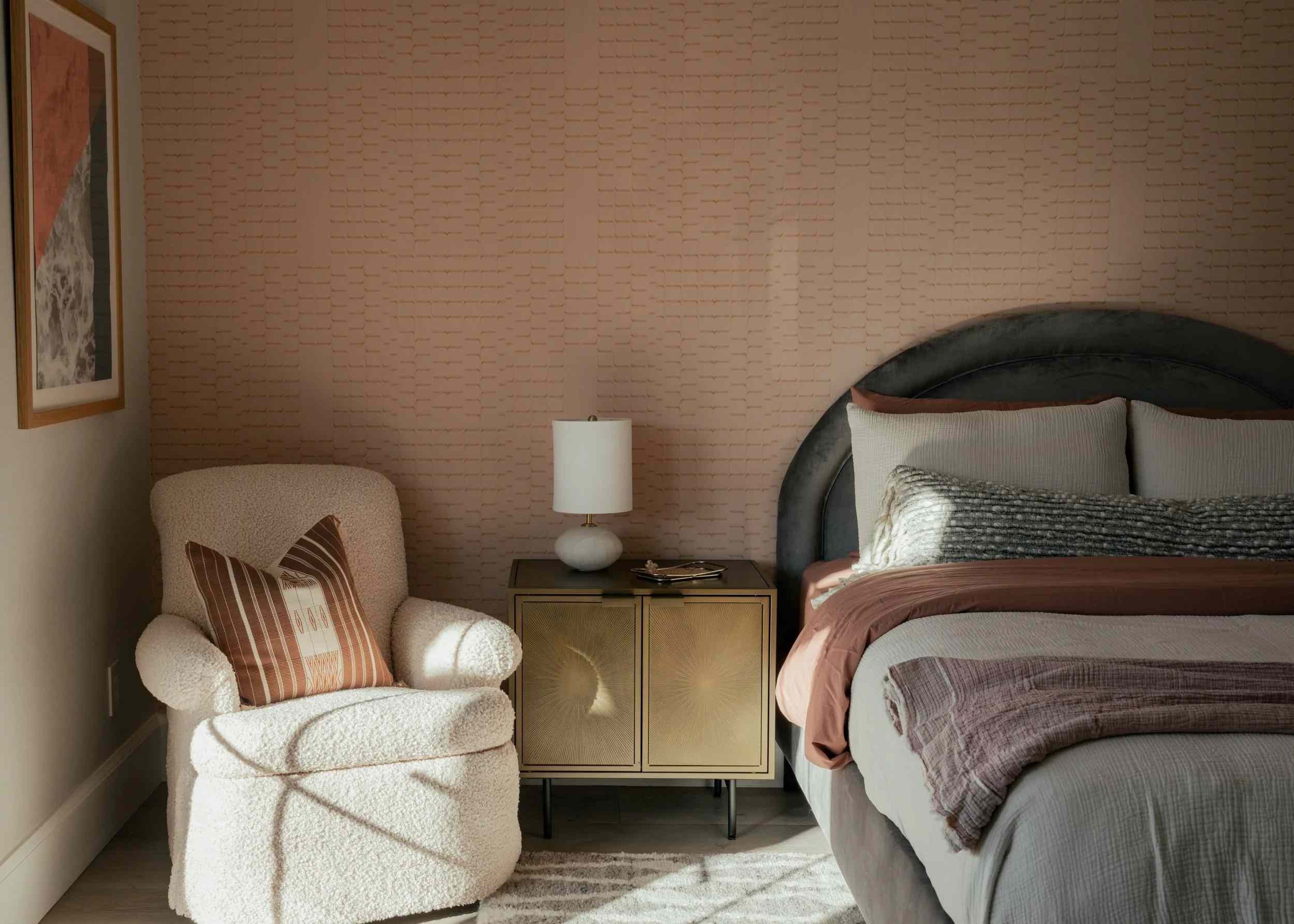
The furniture landscape is shifting: 2026 will see a move away from rigid trends toward deeply personal, tactile designs that reflect individual tastes rather than mass-market aesthetics. Designers emphasize that homes will increasingly be curated expressions of personality, prioritizing comfort, authenticity, and quality over fleeting fads.
The Rise of Tactile Materials
Expect to see a surge in furniture designed to engage the senses. Designers predict an uptick in materials that feel good to the touch—chenille, velvet, textured cotton, linen, and even rough stone surfaces. This trend isn’t just about aesthetics; it’s about creating a more inviting and grounding home environment.
As interior designer Ashley Rose Walsh explains, “These finishes bring warmth, depth, and a sense of permanence, which makes furniture feel integral to the room rather than fading into the background.”
Character-Driven Interiors: Beyond Minimalism
Forget cookie-cutter aesthetics. The next year will see a rejection of sterile minimalism in favor of eclectic individuality. Spaces will tell stories, breaking away from Eurocentric norms and embracing a mix of cultural influences, tactile finishes, and soulful palettes.
Anngelica Mohabir notes, “The shift is toward interiors that tell your story unapologetically.” Outdated matching furniture sets will be replaced with complementary combinations, layering old and new pieces to create a unique, personal aesthetic.
Organic Shapes: A Return to Comfort
Curved furniture is making a strong comeback. Inspired by the ’70s, these organic shapes are being reimagined with modern warmth. Stacy Garcia highlights this trend, saying, “We’re seeing a clear move away from rigid, boxy silhouettes toward pieces with curves, flow, and a sense of ease.”
Expect to see curved sofas, sculptural chairs, and low-slung pieces that feel inviting and comforting. Natural materials will complement these shapes, enhancing the sense of calm and connection to the outdoors.
Emotional Color Stories: Beyond Trends
Color will be driven by emotion rather than fleeting trends. Deeper tones will ebb and flow with moods, creating spaces that feel grounding and authentic. Mohabir emphasizes that this trend is about self-expression: “Color stories that reflect emotion rather than trend, with deeper tones that ebb and flow with your moods.”
Wood With Visible Grain: Embracing Imperfection
Expect to see dark, warm woods with visible grain and natural imperfections. This trend is about embracing the unique character of materials, adding depth and warmth to interiors. Garcia suggests incorporating this through coffee tables, accent chairs, and structural elements.
Bold Textiles: Sparking Nostalgia
If neutral palettes feel stale, prepare for a burst of bold textiles. Geometric patterns, vibrant colors, and textures that evoke memories will be key. Mohabir suggests choosing pieces that spark nostalgia or reflect personal experiences.
Dark Finishes: Adding Depth and Comfort
Brighter hues will take a backseat as darker finishes emerge. Walnut, smoked oak, and high-gloss lacquer on dark paint shades will add richness and personality to interiors. Walsh explains, “Darker finishes add character and comfort, while the collected aesthetic reflects a broader shift toward sustainability and meaningful design.”
Well-Crafted Furniture: Prioritizing Quality
Shoppers will increasingly prioritize quality and craftsmanship over fleeting trends. This shift reflects a growing appreciation for well-made, durable pieces that stand the test of time.
In conclusion, 2026’s furniture trends are about self-expression, tactile comfort, and rejecting sterile aesthetics. The focus will be on creating homes that feel authentic, personal, and deeply connected to the people who live in them