




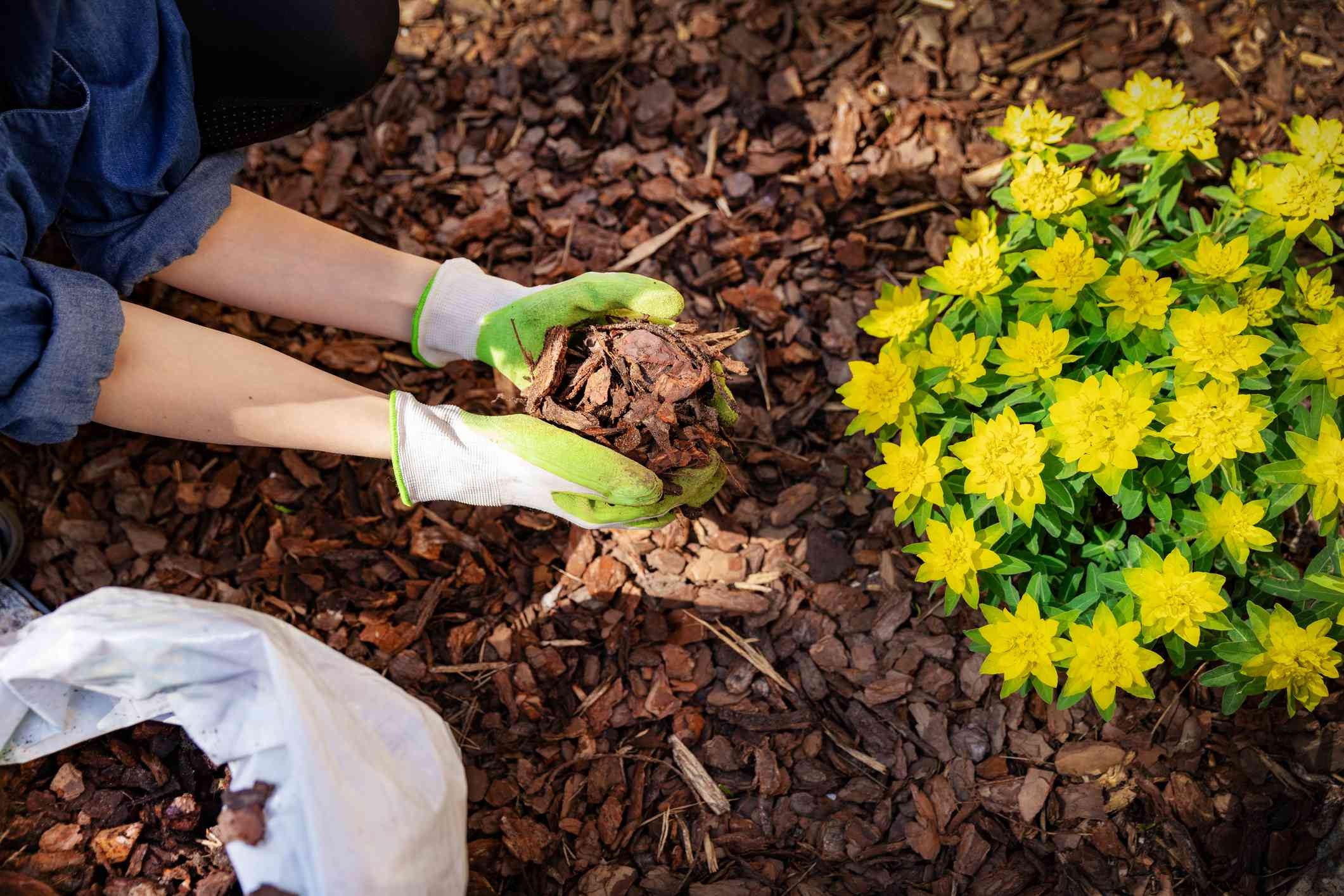
Gardeners often focus on spring mulching to suppress weeds and retain moisture, but fall mulching offers significant benefits for certain plants. Applying a layer of organic mulch before winter stabilizes soil temperatures, improves soil structure, and shields roots from damaging freeze-thaw cycles. This proactive step can give plants a strong head start in spring, particularly for those vulnerable to cold stress or drying out.
Why Fall Mulching Matters
The period between fall watering and spring thaw can be long, especially with irrigation systems turned off. Newly planted trees and shrubs, in particular, struggle without supplemental moisture. Evergreen varieties like spruce, juniper, pine, and fir are especially susceptible to winter dieback. A 3- to 4-inch layer of mulch helps retain moisture, prevent drying, and protect against extreme temperature fluctuations. This also applies to shrubs like rhododendrons, azaleas, boxwood, and hollies.
Which Plants Need Fall Mulching?
- Newly Planted Evergreens: Mulch regulates soil temperature and protects roots from freeze-thaw cycles.
- Shallow-Rooted Perennials: Young or delicate roots are vulnerable to temperature fluctuations and frost heave (roots pushed out of the ground by expanding/contracting soil). Mulch can mean the difference between survival and thriving.
- Fall-Planted Bulbs: A mulch layer protects vulnerable bulbs from temperature swings and drying out, especially lilies, tulips, and daffodils.
- Tender Perennials: Plants sensitive to temperature fluctuations (agapanthus, cannas, coneflowers, dahlias, hostas, salvias) benefit from protection.
- Late-Season Vegetable Gardens: Mulch insulates, conserves moisture, loosens soil, and suppresses weeds, leading to healthier harvests for cool-season crops like broccoli, cabbage, cauliflower, and kale.
Important Considerations
Avoid over-mulching. Too much mulch can lead to waterlogging, poor aeration, and pest infestations. A 2-inch layer is sufficient for most perennials, especially in compacted or poorly drained soils. Never create a “mulch volcano” around tree trunks, as this promotes fungal diseases and rot.
When to Skip Fall Mulching
- Existing Mulch: If your beds already have 3+ inches of mulch, additional layers are unnecessary.
- Hardy or Native Perennials: Established, resilient plants often don’t require extra fall protection.
By strategically applying mulch in the fall, gardeners can significantly improve plant survival rates and set the stage for a vibrant spring growth